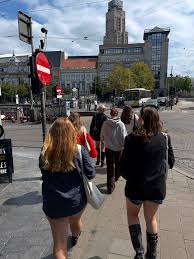
Introduction to Antwerp
Antwerp, Belgium’s second-largest city, stands as a symbol of rich history, cultural diversity, and economic significance. Known for its stunning architecture, thriving diamond district, and vibrant arts scene, it plays a crucial role in both national and international contexts. Understanding Antwerp’s contributions can offer insights into its importance not just as a city, but as a pivotal hub in Europe.
Historical Significance
Dating back to the Middle Ages, Antwerp has been a vital trading centre. In the 16th century, it was one of the largest ports in the world, a position that helped it flourish economically and culturally. The city is home to remarkable sites such as the Cathedral of Our Lady, a UNESCO World Heritage site, which showcases the brilliance of Renaissance architecture and the works of the famous painter Peter Paul Rubens, who was born here.
Economic Impact
Today, Antwerp’s economy thrives on its historical roots in trade and commerce. As one of the busiest ports in Europe, it is a key player in maritime logistics and goods distribution. The Antwerp Port is not just a logistical hub; it also deals extensively in the diamond trade, where around 80% of the world’s rough diamonds are traded. This gem industry supports thousands of jobs and contributes significantly to the local economy.
Cultural Landscape
Antwerp’s cultural scene is vibrant and varied, encompassing everything from fashion to fine arts. The city hosts numerous festivals throughout the year, celebrating its rich traditions and diverse communities. Antwerp is also home to several renowned museums, including the Museum aan de Stroom (MAS) and the Royal Museum of Fine Arts, which draw millions of visitors annually. This cultural influx fuels a dynamic tourism sector that continues to grow.
Conclusion: The Future of Antwerp
As Antwerp continues to evolve, its unique blend of historical charm and modern innovation positions it as a city of significance both within Belgium and globally. Urban development projects and a focus on sustainability are likely to shape the city’s future, attracting more businesses, tourists, and residents. In understanding the multi-faceted identity of Antwerp, one can appreciate its status as a cornerstone of European culture and economy, ensuring that it will remain relevant in the global landscape for years to come.