Introduction
The use of antidepressants has become increasingly common as mental health awareness rises, yet concerns surrounding their side effects persist, particularly regarding weight gain. Understanding the relationship between antidepressants and changes in body weight is essential for patients and healthcare providers alike. This issue is crucial not only for individual health but also for broader discussions regarding mental health treatment strategies.
The Connection Between Antidepressants and Weight Gain
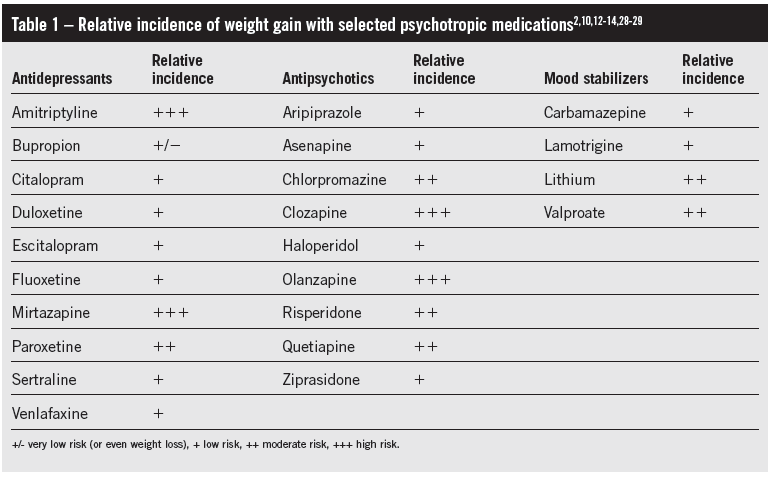
Recent studies indicate that certain classes of antidepressants, particularly SSRIs (Selective Serotonin Reuptake Inhibitors) and tricyclics, are linked to weight gain in some individuals. Research published in the Journal of Clinical Psychiatry has revealed that up to 25% of patients may experience significant weight gain while on these medications. Common offenders include medications like paroxetine (Paxil) and mirtazapine (Remeron).
Mechanisms of Weight Gain
Several mechanisms may be at play when it comes to antidepressants and weight gain. Firstly, these medications can influence metabolism, leading to changes in how the body processes calories. Furthermore, some antidepressants are known to increase appetite, making patients more likely to consume more calories than they expend. Psychological factors can also play a role, as improved mood may lead to less emotional restraint regarding food choices.
Patient Experiences and Insights
Patient testimonies highlight a troubling reality: while many individuals find relief from their depressive symptoms, the side effect of weight gain can lead to feelings of frustration and additional mental health challenges. In a survey conducted by the National Institutes of Health, nearly 40% of respondents noted that weight gain contributed to their decision to discontinue medication.
Managing Weight Gain While on Antidepressants
For those concerned about weight gain, it is crucial to maintain an open dialogue with healthcare providers. Options include exploring alternative medications that may have a more neutral impact on weight, incorporating a balanced diet, and adopting regular exercise routines. Additionally, cognitive behavioural therapy can assist in managing food-related habits and emotional responses.
Conclusion
Weight gain associated with antidepressants is a significant issue that needs to be addressed in mental health care. Understanding the potential side effects of these medications is crucial in managing expectations and outcomes. As research progresses, more will be known about which medications pose the greatest risks. Ultimately, achieving a balance between managing mental health and maintaining a healthy weight is essential for overall wellbeing.