Introduction
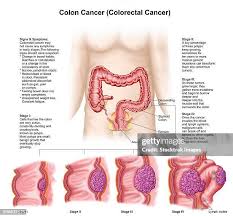
Colorectal cancer is a leading cause of cancer-related deaths in the United Kingdom, affecting thousands every year. It originates in the colon or rectum and often develops from precancerous polyps. The importance of understanding this disease cannot be overstated; early detection and treatment significantly increase survival rates. As awareness campaigns continue to grow, understanding the risk factors, symptoms, and available treatments for colorectal cancer remains crucial.
Current Statistics and Trends
According to Cancer Research UK, colorectal cancer accounts for approximately 10% of all new cancer cases diagnosed annually. In 2023, an estimated 43,000 people will be diagnosed with the disease in the UK alone. The incidence rates have been gradually increasing, particularly among younger adults under 50. Public health initiatives have responded by promoting screening and awareness, aiming to reduce these statistics.
Risk Factors and Symptoms
There are several known risk factors associated with colorectal cancer, including age, family history, genetic predisposition, and lifestyle choices such as diet and physical activity. Symptoms to watch for include persistent changes in bowel habits, blood in the stool, unexplained weight loss, and abdominal discomfort. If any of these symptoms persist, individuals are advised to consult a healthcare professional for appropriate screening.
Screening and Diagnosis
The NHS provides screening for individuals aged 60 to 74, which can detect the disease at an early stage when it is most treatable. The test primarily involves a home faecal occult blood test, with further investigations like a colonoscopy being performed if necessary. Such measures have proven effective in identifying colorectal cancer early and improving patient outcomes.
Treatment Options
Treatment for colorectal cancer typically involves surgery, chemotherapy, and radiotherapy, depending on the cancer stage and overall health of the patient. Recent advancements in precision medicine are also making tailored treatments more accessible, potentially improving the effectiveness of therapies. Clinical trials are exploring new medications and techniques to enhance treatment outcomes.
Conclusion
Colorectal cancer remains a significant public health concern, but awareness and early detection efforts are beginning to turn the tide. Regular screenings and a healthy lifestyle can profoundly impact prevention and survival rates. As research advances, the outlook for colorectal cancer patients improves. Continued public education and government initiatives will be essential in the ongoing fight against this prevalent disease.