Introduction
World War 1, often referred to as the Great War, was a pivotal event in global history that shaped the 20th century. Lasting from 1914 to 1918, it marked a significant shift in military strategy, international relations, and societal structures. Understanding World War 1 is crucial for comprehending the subsequent rise of global conflicts and the establishment of geopolitical alliances.
The Background of World War 1
The war originated after the assassination of Archduke Franz Ferdinand of Austria-Hungary in June 1914. This incident set off a chain reaction of alliances and military mobilizations. The conflict primarily involved two major alliances: the Allies, including nations like France, the United Kingdom, Russia, and later the United States, and the Central Powers, led by Germany, Austria-Hungary, and the Ottoman Empire.
The Course of the War
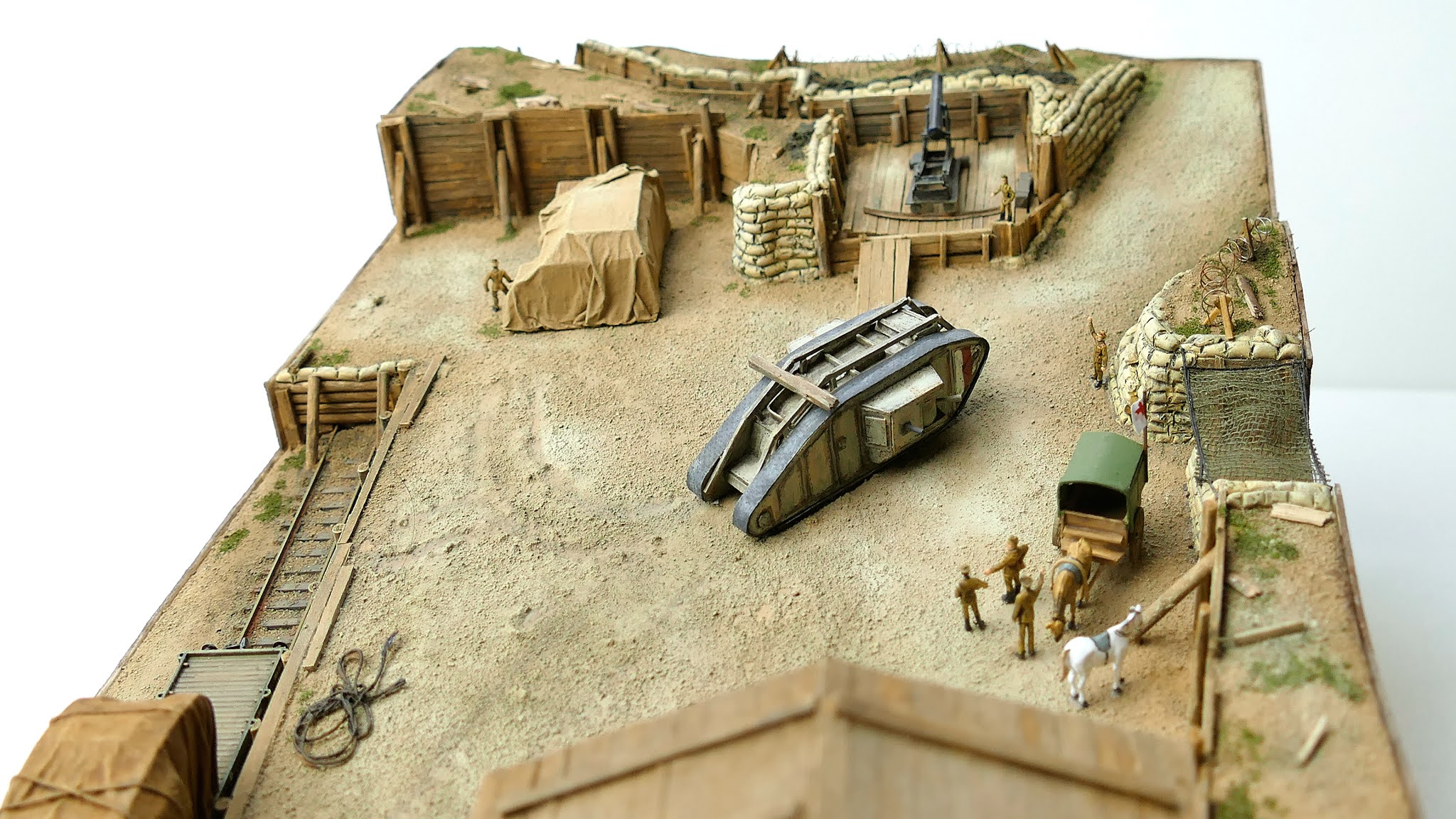
The war introduced new military technologies, including tanks, aircraft, and poison gas, leading to unprecedented levels of destruction and loss of life. Notable battles such as the Battle of the Somme and the Battle of Verdun exemplified the trench warfare that characterized much of the conflict. By the time the war ended in November 1918, an estimated 16 million people had lost their lives, making it one of the deadliest conflicts in history.
Aftermath and Consequences
The Treaty of Versailles, signed in 1919, formally ended the war but also laid the groundwork for future conflicts. It imposed harsh reparations and territorial losses on Germany, leading to economic hardship and political instability, which contributed to the rise of Adolf Hitler and the Second World War. In addition, World War 1 led to the re-drawing of national borders, the emergence of new nations, and significant social changes, including shifts in gender roles as women entered the workforce in increased numbers.
Conclusion
World War 1 was more than just a military conflict; it was a transformative period that altered the course of history. Its impact continues to resonate today, influencing international relations, military strategies, and societal norms. By studying World War 1, we gain insights into the complexities of conflict and the importance of diplomacy in maintaining global peace. Understanding this war helps us appreciate the fragility of peace and the lessons learned from history as we navigate contemporary geopolitical challenges.