Introduction to 28 Days Later
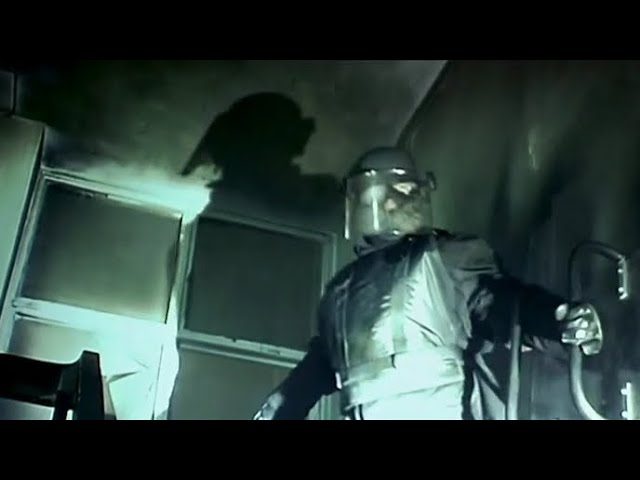
Released in 2002, 28 Days Later is a British horror film directed by Danny Boyle that redefined the zombie genre. It not only sparked a resurgence in interest in horror films, but it also initiated conversations surrounding societal collapse and survival. Its significance remains relevant today, as themes of infection and societal breakdown resonate within contemporary global issues.
Plot and Themes
The film follows Jim, played by Cillian Murphy, who awakens from a coma to find London deserted and ravaged by a viral outbreak that turns humans into raging, zombie-like creatures. The narrative explores the struggle for survival as Jim attempts to navigate through a crumbling society while forming alliances with other survivors. The film’s portrayal of fear, isolation, and the human condition in dire circumstances elevates it beyond a typical horror flick.
Filming and Reception
Filmed on a modest budget of £8 million, 28 Days Later became a box office success, grossing over £45 million worldwide. The innovative use of digital video technology contributed to its gritty aesthetic, a stark contrast to the polished looks of previous films. The film was met with critical acclaim, with particular praise directed at its haunting score by John Murphy and its ability to provoke thought about the fragility of civil society.
Legacy and Cultural Impact
The legacy of 28 Days Later is vast, influencing not only subsequent horror films but also the popularisation of the ‘running zombie’ archetype. Its exploration of themes such as fear, human desperation, and the question of what it means to be human have prompted discussions in various fields, including psychology and sociology. Furthermore, it has inspired a range of video games and literature that echo the themes of survival and moral dilemmas faced in the face of a pandemic.
Conclusion
In conclusion, 28 Days Later is more than just an iconic horror film; it serves as a cultural touchstone reflecting deeper fears of contagion and societal collapse. Its enduring influence on cinema and popular culture is undeniable, prompting ongoing discussions about humanity’s resilience in the wake of catastrophe. As the world navigates current global challenges, the film’s themes remain strikingly relevant, solidifying its status as a landmark in modern horror cinema.