YouTube TV Introduces 30-Second Unskippable Ads Globally
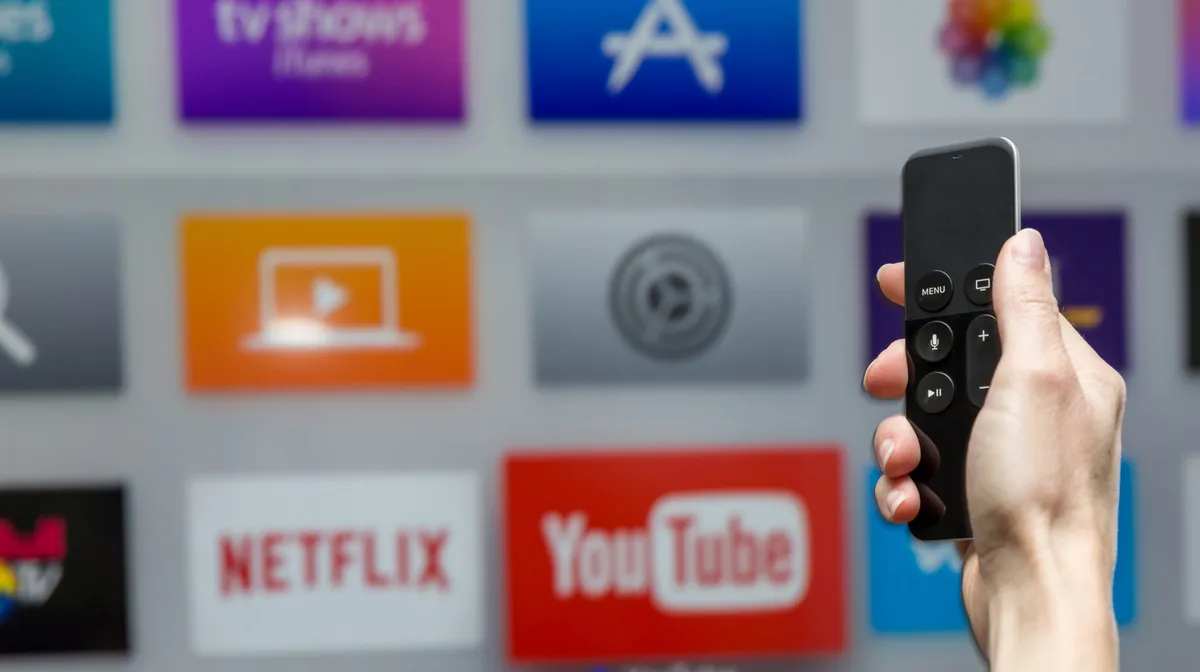
In a significant shift for its advertising strategy, YouTube TV has announced the implementation of 30-second unskippable ads on connected devices worldwide, effective March 12, 2026. This move aims to enhance brand storytelling capabilities while also positioning YouTube more competitively against traditional cable television.
The introduction of these unskippable ads comes as YouTube’s projected revenue is set to reach an impressive $62 billion, surpassing Disney and solidifying its status as the world’s largest media company. The new ad format is designed to allow brands to convey fuller narratives, a feature that many advertisers find appealing.
Google has leveraged artificial intelligence to dynamically optimize ad formats based on viewer behavior, allowing for a variety of ad lengths, including 6-second Bumpers, 15-second standards, and the newly introduced 30-second non-skippable ads. This strategy is part of Google’s broader Video Reach Campaigns expansion, which aims to enhance advertising effectiveness across its platforms.
As YouTube TV continues to grow, the television audience has emerged as its fastest-growing segment. However, the introduction of unskippable ads has led to significant backlash from users. Many viewers are expressing frustration on social media, with some comparing the experience to that of traditional cable TV, which they had previously sought to escape.
One frustrated user remarked, “So the goal is to make YouTube feel more like cable TV, the exact thing everyone left cable TV to escape.” Another added, “Thirty seconds of your life, held hostage, every single video, unless you pay up.” These sentiments reflect a growing discontent among users who feel that the ad experience is becoming increasingly intrusive.
YouTube offers two subscription options to mitigate ad interruptions: YouTube Premium, which costs $13.99 monthly and removes ads entirely, and YouTube Premium Lite, priced at $7.99 monthly, which eliminates many ads but still displays them on select content. This pricing strategy appears to be part of a broader effort to encourage subscriptions by making the free viewing experience less appealing.
The rollout of unskippable ads has sparked a wave of reactions, with social media platforms buzzing with complaints. Users are voicing their concerns about the shift in YouTube’s advertising approach, which they feel detracts from the platform’s original appeal. As the landscape of streaming services continues to evolve, YouTube’s strategy may redefine user expectations and experiences.
As the situation develops, details remain unconfirmed regarding the long-term impact of these changes on user engagement and subscription rates. The future of YouTube TV’s advertising model will likely depend on how effectively it balances user satisfaction with the needs of advertisers.