Introduction
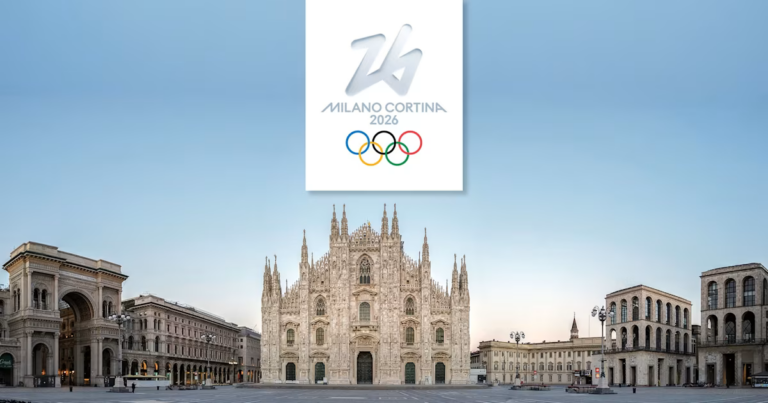
The Winter Olympics is a highly anticipated global event that brings together the world’s best winter sports athletes to compete for glory. Scheduled to take place in Milan and Cortina d’Ampezzo, Italy, the 2026 Winter Olympics start on February 6 and run until February 22. The significance of this event goes beyond mere competition; it fosters international unity, promotes winter sports, and boosts local economies.
Details of the 2026 Winter Olympics
The 2026 Winter Olympics marks a return to Italy for the first time since the 2006 Torino Olympics. With an array of exciting sports including skiing, snowboarding, ice hockey, and figure skating, this edition promises to showcase remarkable talent and thrilling performances. The opening ceremonies will be held in Milan, a city known for its rich history and cultural significance, while the competitions will be hosted in the stunning alpine environment of Cortina d’Ampezzo.
This event will see over 2,800 athletes from more than 80 nations competing across 15 disciplines. Notably, there will be an increased emphasis on environmental sustainability and legacy planning, as the organising committee aims to host a climate-friendly event. The use of existing sports facilities from the 2006 Winter Olympics showcases this commitment to sustainability.
Conclusion
The Winter Olympics is not only a platform for athletes to showcase their skills and strive for Olympic glory; it also serves as a reminder of the spirit of sportsmanship and unity among nations. As the world gears up for the event starting on February 6, the anticipation continues to build among athletes and fans. The 2026 Winter Olympics will surely leave a lasting impact, not only in terms of sporting achievements but also in exemplifying how international events can promote sustainability and cooperation.