Introduction
The practice of adjusting clocks for Daylight Saving Time (DST) significantly impacts daily life in the United Kingdom. As we prepare for the impending changes in 2025, it’s essential to understand when the clocks will go back and the effects these changes have on society.
When Will the Clocks Go Back in 2025?
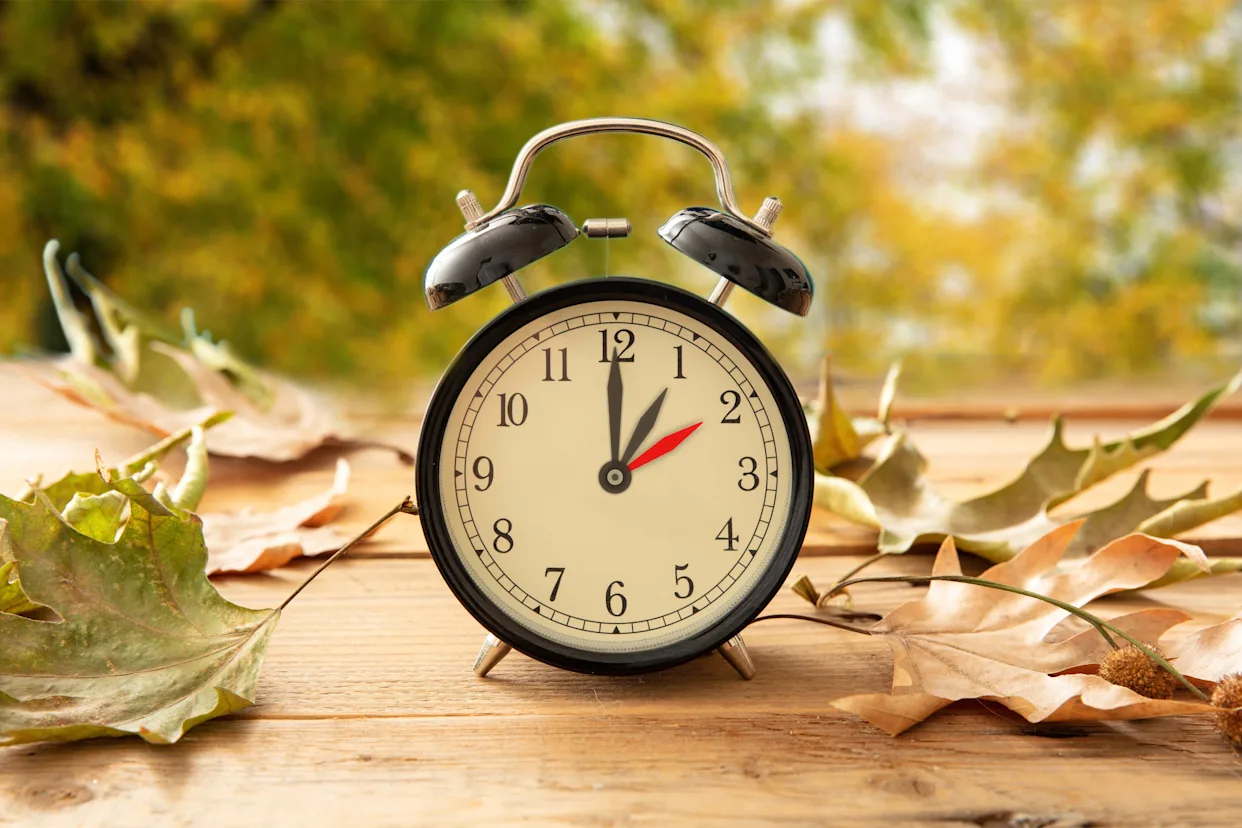
In 2025, the clock will go back one hour at 2:00 AM on Sunday, 26th October. This annual adjustment marks the end of Daylight Saving Time, a tradition that started in the UK in 1916 during World War I as a means to conserve energy. When the clocks revert, evenings will become darker earlier, prompting many to adjust their evening routines.
The Importance of the Change
Adjusting the clocks is not merely about the convenience of being able to make the most of daylight hours. There are several aspects of well-being, energy consumption, and safety that make this change significant. Research has shown that the switch back to Greenwich Mean Time (GMT) can lead to a reduction in energy usage, especially in winter months where there is less daylight. Furthermore, the re-adjustment can affect sleep patterns, impacting both mental and physical health.
Public Opinion and Future of Daylight Saving Time
Over the years, public opinion on Daylight Saving Time has shifted, with debates on its relevance continuing to spark discussion. In recent years, surveys indicate that many UK citizens favour abolishing the clock changes altogether, citing concerns over sleep disruption and the marginal energy savings achieved as not justifying the biannual switch. There have also been discussions within the European Union about reinstituting regulations to allow countries to choose whether to keep DST permanently or abolish it, a move that could eventually influence the UK’s own policies.
Conclusion
The practice of clocks going back in 2025 is an important reminder of how even small changes in time can have wide-ranging impacts on our daily lives. As we approach this date, it presents an opportunity for individuals and society to evaluate their relationship with time and the need for adaptation associated with it. With public discourse growing around the future of Daylight Saving Time, it remains to be seen whether the UK might follow changes observed elsewhere in Europe. The conversation about the clocks will inevitably continue to evolve.