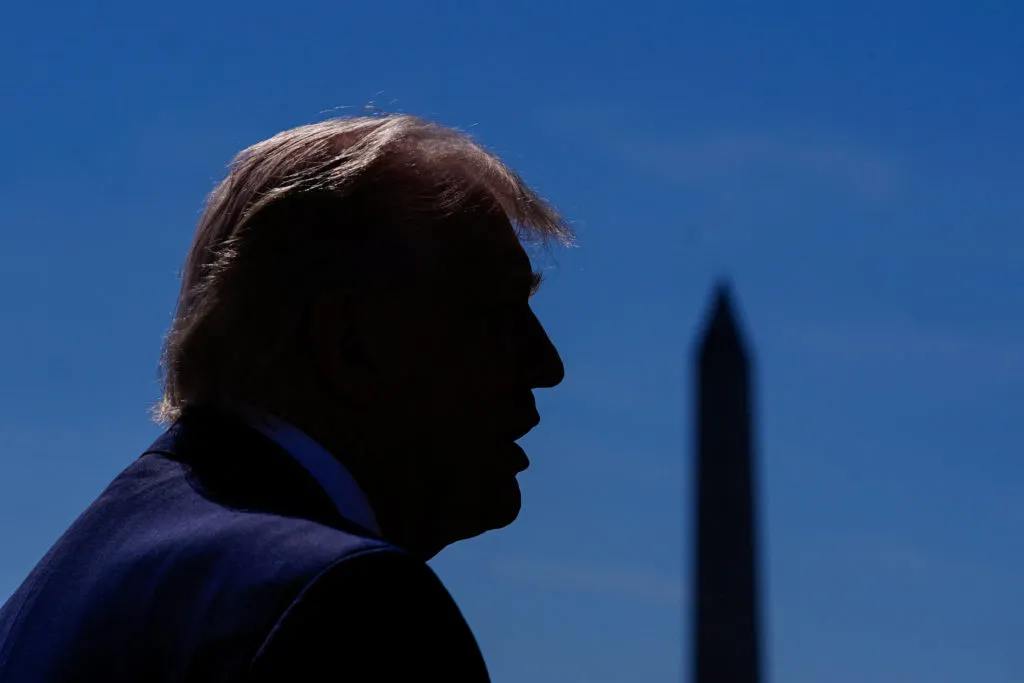
As tensions mount in Iran, President Donald Trump has set a critical deadline for the nation to reach a deal by 8 p.m. EDT on April 7, 2026. This ultimatum comes after Iran’s previous deadline was extended from March 23, 2026, and has raised concerns about the potential consequences of failing to meet it.
Trump’s stark warning that “a whole civilization will die tonight, never to be brought back again” underscores the gravity of the situation. He further threatened that without a deal, Iran would face devastating losses, stating, “They’ll have no bridges. They’ll have no power plants. They’ll have no anything.” These remarks highlight the escalating rhetoric surrounding the negotiations.
The U.N. Secretary-General António Guterres has also weighed in, reminding the international community that attacks on civilian infrastructure are banned under international law. This warning adds another layer of complexity to the already fraught discussions.
Iran has rejected the latest ceasefire proposal from the U.S., and the Islamic Revolutionary Guard Corps has threatened retaliation against any U.S. and allied attacks. As the clock ticks down, Trump has indicated that this deadline is final, having already granted Iran multiple extensions.
As of now, the time in Iran will be 3:30 a.m. on the day of the deadline, a stark reminder of the urgency of the situation. With only 48 hours left before potential military action is set to commence, the stakes have never been higher.
Mojtaba Ferdousi Pour, an Iranian official, stated, “We only accept an end of the war with guarantees that we won’t be attacked again,” reflecting the deep-seated fears and concerns within Iran regarding its security and sovereignty.
Details remain unconfirmed regarding the exact implications of Trump’s threats on Iran’s infrastructure, leaving many to wonder what the future holds for the region.
As the world watches closely, the question remains: what time is it in Iran as the deadline approaches? The answer could have far-reaching implications for peace and stability in the Middle East.