Introduction to Phishing
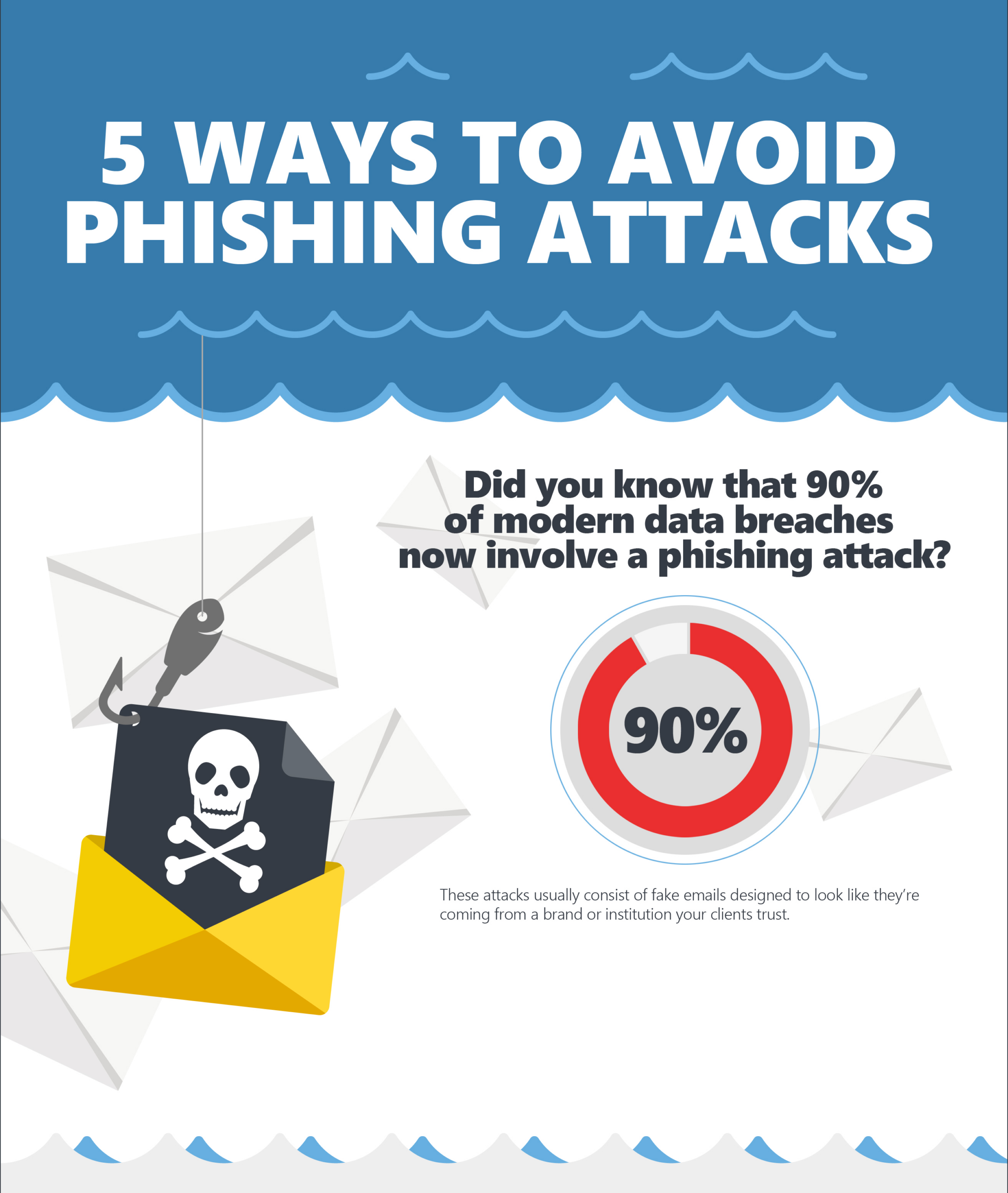
Phishing is a form of cybercrime that involves tricking individuals into providing sensitive information, such as passwords and credit card numbers. It has become a significant global threat, as the internet becomes increasingly integrated into everyday life. Understanding phishing is vital for both individuals and organisations to protect themselves against potential financial and reputational damage.
The Mechanics of Phishing
Phishing attacks typically manifest in the form of an email or message that appears to be from a legitimate source, such as a bank, popular online service, or colleague. These messages often create a sense of urgency, misleading recipients into clicking on malicious links or downloading harmful attachments. Once the victim interacts with the content, cybercriminals can gain access to their confidential information.
Recent data from cybersecurity firms reveals that phishing accounts for over 80% of reported security incidents. In 2023, there has been a notable increase in sophisticated phishing campaigns, where attackers use advanced techniques to bypass security measures. For instance, some employ ‘whaling’ attacks that target high-profile individuals within companies, increasing the stakes and effects of a breach.
Real-World Examples and Impact
One of the most infamous phishing attacks, the 2020 Twitter hack, demonstrated the potential consequences of such attacks. Cybercriminals exploited social engineering to gain access to the accounts of public figures, including politicians and celebrities. This incident not only led to a significant loss of trust but also raised concerns over the security measures utilised by major online platforms.
Financial losses caused by phishing can be staggering. According to the FBI’s Internet Crime Complaint Center, these attacks collectively resulted in billions in losses each year. As organisations continue to embrace digital transformation, the potential impacts of successful phishing attempts will likely only grow, making it essential for everyone to be vigilant.
Protecting Yourself from Phishing
Awareness is the first step in combating phishing attempts. Here are some effective strategies to protect yourself:
- Verify sources: Always check email addresses and links before clicking.
- Use security software: Invest in comprehensive security software that includes anti-phishing features.
- Enable multi-factor authentication: This adds an additional layer of security to your accounts.
- Educate yourself: Stay informed about the latest phishing techniques and scams.
Conclusion
Phishing remains a potent threat in the digital landscape, exploiting human vulnerabilities to achieve malicious goals. As the tactics employed by attackers grow more sophisticated, continued education and vigilance are paramount in safeguarding personal and organisational data. Users should adopt proactive measures to ensure their security and contribute to the overall effort against cybercrime.