Who is involved
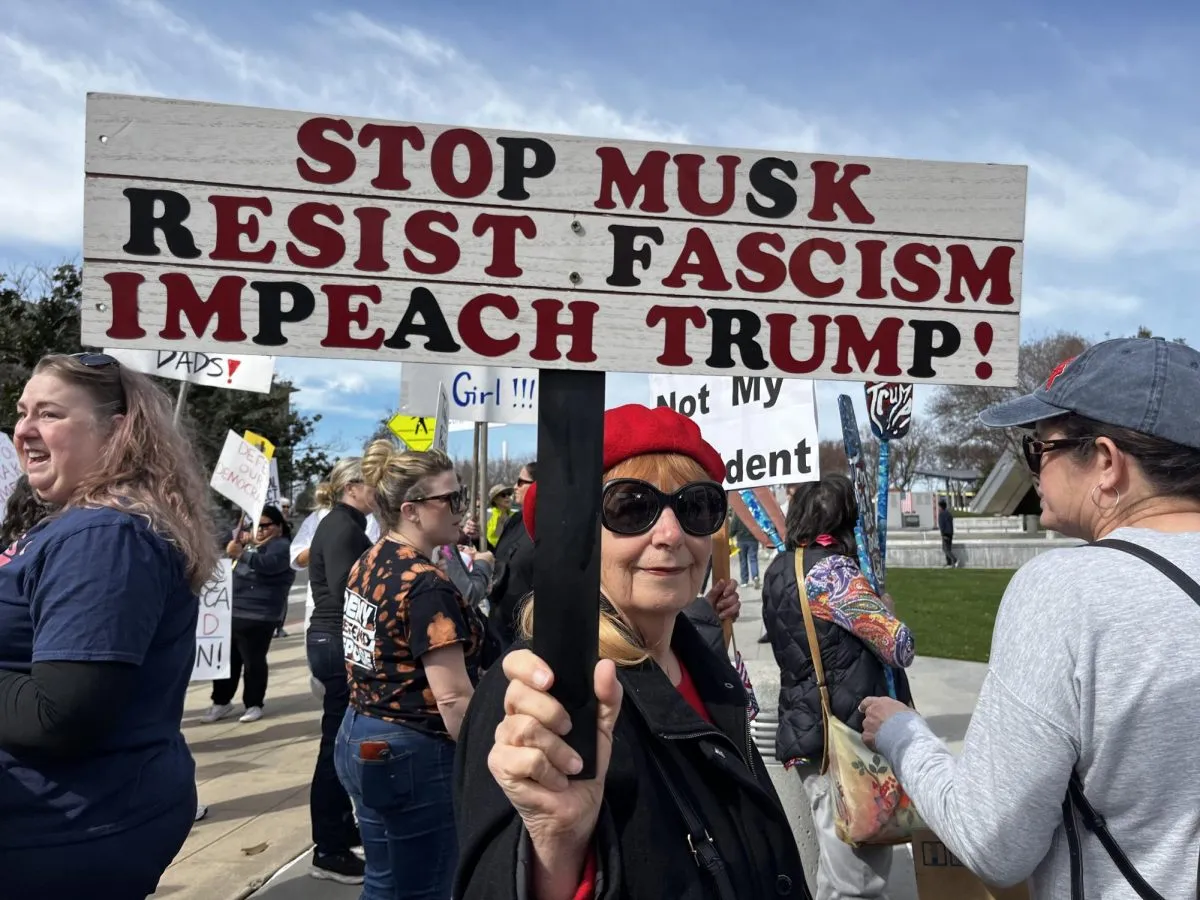
The No Kings protests are a powerful response to President Donald Trump’s perceived authoritarianism, reflecting a significant shift in the political landscape. Prior to this movement, many suburban voters had been aligning with the Republican Party, but the atmosphere has dramatically changed as discontent with Trump’s leadership grows. The protests are not just a reaction; they are a collective assertion of community values and a demand for accountability.
Scheduled for March 28, 2026, the No Kings protests are expected to draw over 9 million participants nationwide, with more than 3,000 demonstrations planned across the country. In Philadelphia alone, at least 40 protests are set to take place, starting at City Hall and marching down the iconic Ben Franklin Parkway. The Philadelphia protest will feature speeches beginning at 1:15 p.m., with prominent voices like Analilia Mejia, a progressive activist and candidate in New Jersey’s 11th District special election.
The decisive moment for this movement came as suburban voters began to mobilize against what they see as a rise in authoritarianism under Trump’s presidency. The protests are viewed as part of a growing anti-Trump resistance, particularly among those who feel that their communities are under threat. As Jeff Naiman, a local activist, poignantly stated, “It’s like our hair is on fire,” capturing the urgency felt by many in the community.
As the protests gain momentum, the direct effects are already being felt. Activist organizations like Indivisible are leading the charge, galvanizing support and encouraging participation. The sentiment is clear: this is not just a fight for others; it is a fight for everyone, as expressed by Allison Posner, who emphasized, “This is not some other people’s fight. This is our fight.” This collective identity is crucial in uniting diverse groups under a common cause.
In the lead-up to the protests, the atmosphere is charged with anticipation and resolve. The No Kings protests are expected to be the largest day of protesting in U.S. history, mobilizing millions who are determined to voice their dissent. The scale of participation reflects a significant shift in public sentiment, particularly among suburban voters who are increasingly distancing themselves from the Republican Party due to Trump’s policies and rhetoric.
Experts note that the protests are indicative of a broader trend of suburban voters shifting away from the Republican Party. This movement is not merely a reaction to Trump but a reflection of changing values and priorities within these communities. As Mejia pointed out, “A ZIP code does not protect anyone from rising violent authoritarianism,” highlighting the urgency of the situation and the need for collective action.
As the date approaches, the community is rallying together, ready to make their voices heard. The No Kings protests symbolize not just opposition to Trump but a broader call for democratic values and community engagement. With the special election in New Jersey’s 11th District scheduled for April 16, 2026, the protests may also influence local political dynamics, further energizing voters who seek change.
Details remain unconfirmed, but the commitment to the cause is palpable. The No Kings protests represent a pivotal moment in American activism, uniting millions in a shared vision for a more equitable and just society.