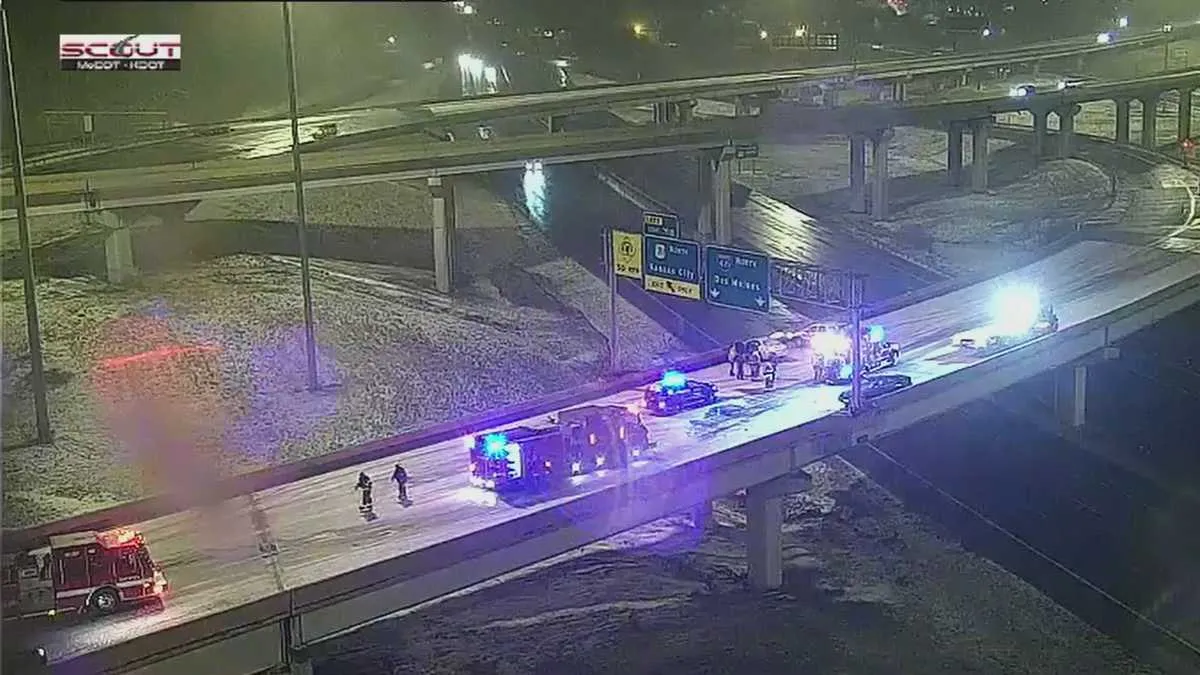
A snow squall is a brief, intense snowfall that can lead to reduced visibility and slick road conditions. These weather events can produce gusts up to 60 miles per hour, significantly impacting travel.
During a snow squall, visibility can drop to less than ¼ mile, creating dangerous conditions for drivers. Accumulations of snow can reach up to 2 inches in some areas, particularly in regions like north central Missouri, where a snow squall warning was recently issued.
Snow squalls can occur with little warning, often leading to hazardous travel conditions. The National Weather Service issues warnings to alert the public about these sudden weather changes. Wes Peery, a meteorologist, advises, “Avoid travel in this area until the warning expires,” emphasizing the importance of heeding these alerts.
Despite the low snow totals that may accompany some squalls, Peery cautions, “Don’t let the low snow totals fool you.” The combination of strong winds and falling temperatures can create near-blizzard conditions, making it essential for individuals to stay informed and prepared.
As winter progresses, the frequency of snow squalls may increase, particularly in regions prone to such weather phenomena. Understanding the characteristics and potential dangers of snow squalls is crucial for ensuring safety during winter travel.
Details remain unconfirmed regarding the exact impact of recent snow squalls, but the potential for hazardous conditions remains a concern for travelers. Awareness and preparedness are key to navigating these unpredictable winter storms.