Introduction
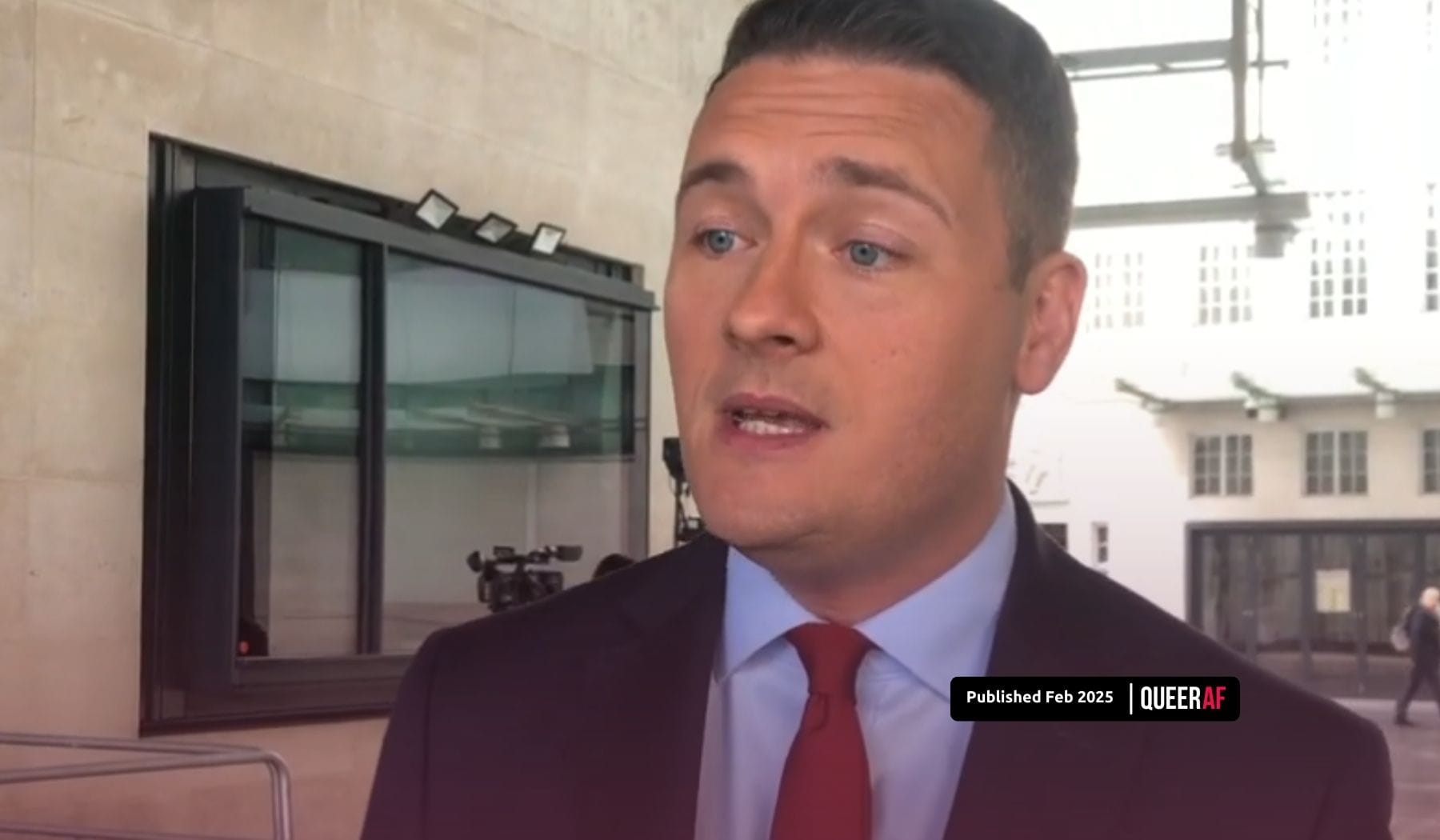
Wes Streeting, a prominent figure in the UK Labour Party, is increasingly making headlines as he positions himself as a key influencer in British politics. At just 40 years old, Streeting has already carved out an impressive career, and his views on healthcare, education, and social justice resonate with many voters. As the country navigates various political and economic challenges, understanding his role and perspectives becomes increasingly important.
Rising Through the Ranks
First elected as the Member of Parliament (MP) for Ilford North in 2015, Streeting has quickly established himself as a vocal advocate for progressive policies. With a background in education and social issues, he has been a fierce critic of the Conservative government’s reforms, particularly in the National Health Service (NHS) and social care. His experience as a former Chair of the All-Party Parliamentary Group on Social Integration showcases his commitment to promoting inclusivity and addressing social disparities.
Key Policies and Initiatives
Streeting has consistently focused on healthcare improvement, championing the idea that the NHS should be adequately funded and accessible to all. His recent proposals, including increasing mental health support services and combating the rising waiting lists for medical procedures, have been well-received within his constituency and the broader Labour movement.
Moreover, he has put a strong emphasis on educational reforms, advocating for increased resources for schools in underprivileged areas and promoting the importance of further education. Streeting’s engaging communication style and ability to connect with younger voters have made him a popular figure within the party and the electorate.
The Future of Wes Streeting
As the Labour Party prepares for the upcoming general elections, Streeting’s role may expand. He has been speculated as a potential future minister should Labour secure a victory. Political analysts suggest that his focus on crucial domestic issues may attract pivotal voter blocks, especially in urban areas where his policies align with the needs of constituents.
Conclusion
Wes Streeting’s influence is likely to continue to grow as he remains at the forefront of Labour’s policy discussions. His commitment to addressing pressing issues such as healthcare and education resonates deeply with voters, and many see him as a leading voice in the party’s forward trajectory. As the British political landscape evolves, Streeting’s actions and policies will undoubtedly play a significant role in shaping the future of the Labour Party and the broader UK electorate.