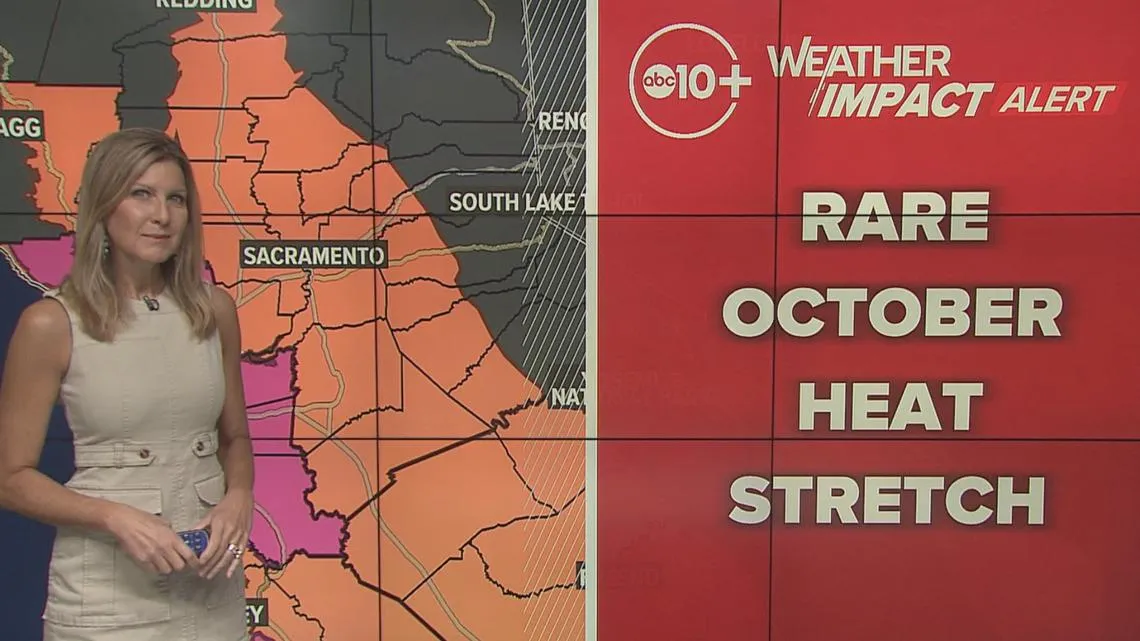
As March unfolds, residents of California, Nevada, and Arizona are facing an unprecedented heat wave that has already shattered monthly temperature records across the region. Just before the key developments on March 18, 2026, meteorologists began issuing warnings as a heat dome settled over the Southwest, bringing extreme temperatures that are more typical of summer.
On March 18, a reporting station east of North Shore, California, recorded a staggering 108 degrees Fahrenheit, tying the nation’s hottest March temperature on record. This day marked Phoenix’s second 100-degree high of the month, reaching 102 degrees—eight days earlier than the previous record.
By this date, 65 cities, including Las Vegas, Reno, and Sacramento, had tied or set new March record highs. The heat wave has prompted extreme heat warnings and advisories affecting nearly 40 million Americans, with temperatures soaring 35 degrees above average in some areas.
The FOX Forecast Center noted, “This heat dome is record breaking for March, comparable in strength to ones we see in June.” This unusual weather pattern has raised concerns about the potential for drought expansion and increased fire danger as the region heads into summer.
In Kansas City, a city that hasn’t reached 90 degrees in March since 1910, residents are bracing for a possible record-breaking weekend. The heat wave is expected to last into at least the first half of next week, with forecasts indicating that over 140 cities from California to Montana may set records for any March day.
Adding to the urgency, the warmest winter on record has left snowpack levels in the West at their lowest in at least two decades. This situation raises alarms about water supply and fire risks as the region prepares for the hotter months ahead.
As community members navigate this extreme weather, local officials are emphasizing the importance of staying hydrated and taking precautions against heat-related illnesses. The magnitude of this heat wave has been made at least five times more likely by climate change, according to Climate Central, highlighting the urgent need for awareness and action.
Residents are encouraged to check on neighbors, especially the elderly and vulnerable, as the heat continues to impact daily life. With the potential for record-breaking temperatures and the associated risks, community solidarity is more important than ever.
As we monitor this developing situation, it is crucial for everyone to stay informed and prepared. The effects of this heat wave will be felt not just in the immediate term but could have long-lasting implications for the environment and public health.