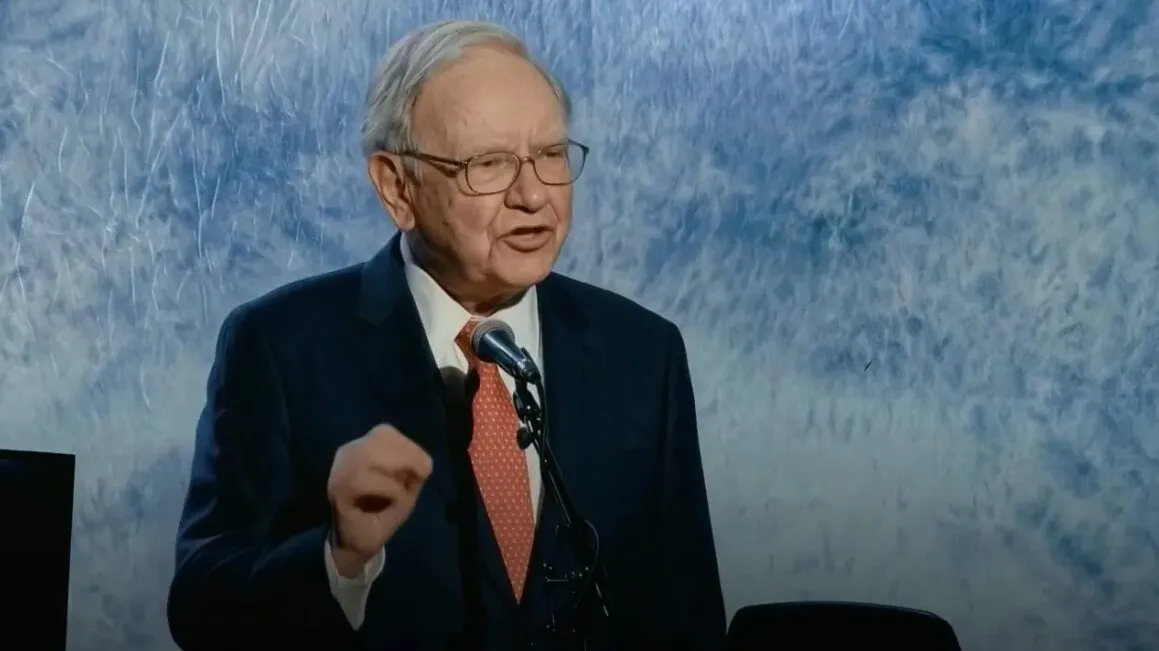
Omaha’s own Warren Buffett recently shared his 2026 market outlook, cautioning investors about the elevated risks tied to current stock market valuations. He emphasized a careful approach as more individuals seem to adopt a gambling mentality when it comes to investing.
Buffett pointed out that the Buffett Indicator, which compares the total stock market value to GDP, currently sits at an alarming 227%. This figure indicates that stocks are significantly overvalued, raising concerns about a potential market correction. Despite this, he remarked that the ongoing decline in the market does not yet constitute a “big” decline.
In light of these conditions, Berkshire Hathaway maintains a robust cash position of approximately $373 billion. This liquidity allows Buffett and his team—now led by CEO Greg Abel, who took over at the end of 2025—to be strategic in their investments. Buffett mentioned, “If there is a big decline, we will deploy capital,” signaling readiness should significant opportunities arise.
Buffett also likened today’s market atmosphere to “a church with a casino attached,” suggesting that many investors are more interested in speculative gains than sound investing principles. He stated, “We’ve never had people in a more gambling mood than now,” reflecting his concern about this shift away from traditional investment strategies.
Berkshire Hathaway has been net sellers of equities for 14 consecutive quarters, with total net selling reaching $194.8 billion over the past 3.5 years. This trend underscores Buffett’s cautious stance and highlights his preference for waiting for more favorable conditions before making significant acquisitions.
Buffett’s historical perspective adds weight to his warnings; he has witnessed Berkshire Hathaway’s stock drop more than 50% three times throughout his career. Each instance taught him valuable lessons about market volatility and investor psychology.
The future remains uncertain as many wonder how long this speculative behavior will persist among retail investors. The question looms: will we see a shift back toward traditional investing practices or continue down this path of increased risk-taking?