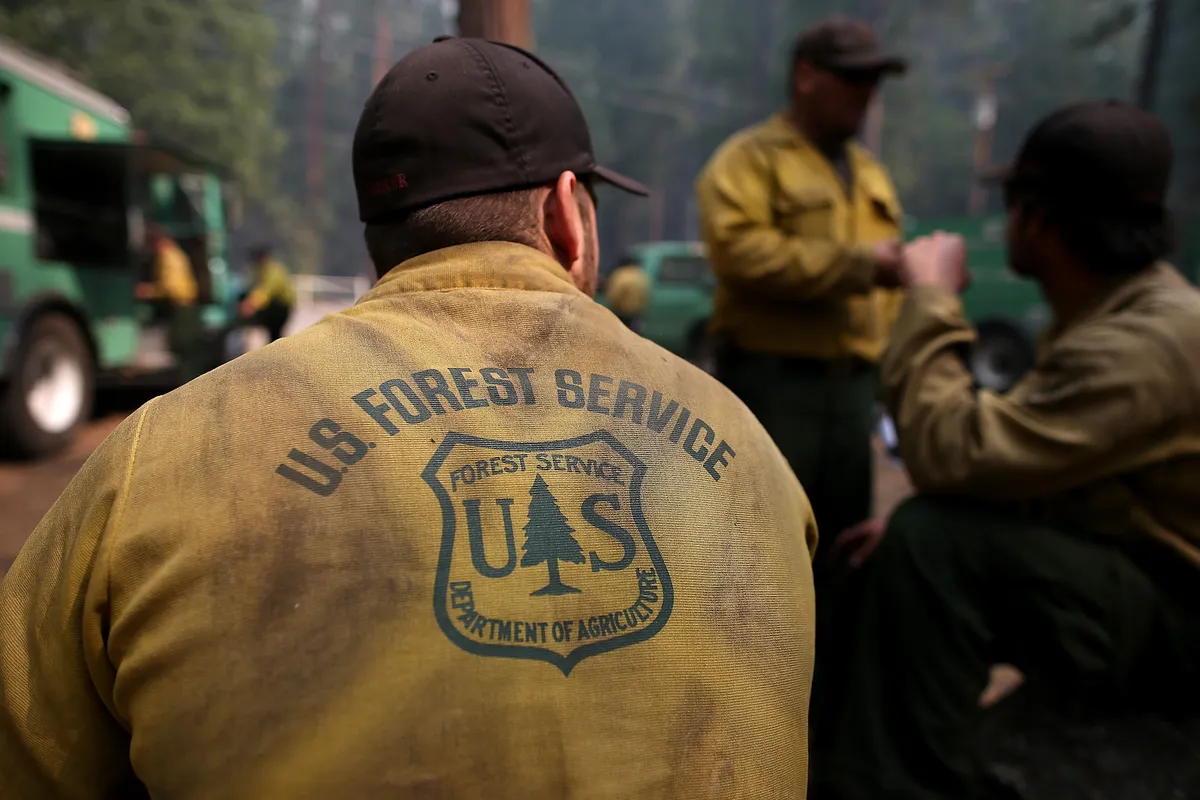
The U.S. Forest Service, established over 121 years ago to manage and protect national forests, is undergoing a significant restructuring that will reshape its operations across the country. As part of this major shift, the agency will move its headquarters to Salt Lake City, Utah, a decision that has sparked both excitement and concern among stakeholders.
In a bold move, all ten regional offices of the U.S. Forest Service will be closing as part of this restructuring. Additionally, more than fifty research facilities across thirty-one states will be consolidated into a single location in Fort Collins, Colorado. This restructuring is being described as the largest forced purge of a federal land management agency in American history, raising questions about the future of forest management in the U.S.
Tom Schultz, a logging executive who now serves as the Chief of the U.S. Forest Service, expressed his commitment to guiding the agency through this new chapter. “I’m honored to help guide this new chapter for the Forest Service, following the vision set forth by President Theodore Roosevelt and Gifford Pinchot more than a century ago,” he stated in a recent press release issued by the USDA.
However, the restructuring has not come without criticism. Observers have noted that the changes appear to align the agency more closely with state interests and the timber industry. One critic remarked, “This is a chainsaw in broad daylight,” highlighting concerns about the potential implications for environmental protection and forest management.
Utah Governor Spencer Cox has hailed the move as a “big win for Utah,” emphasizing the benefits it could bring to the local economy and job market. The shift is expected to create new opportunities in the region, though the long-term effects on national forest management remain to be seen.
As the U.S. Forest Service embarks on this unprecedented restructuring, officials and observers alike are watching closely to see how these changes will impact the management of the 193 million acres of national forests under the agency’s care, an area larger than Texas. The future of forest management in the U.S. hangs in the balance as this historic transition unfolds.