Introduction
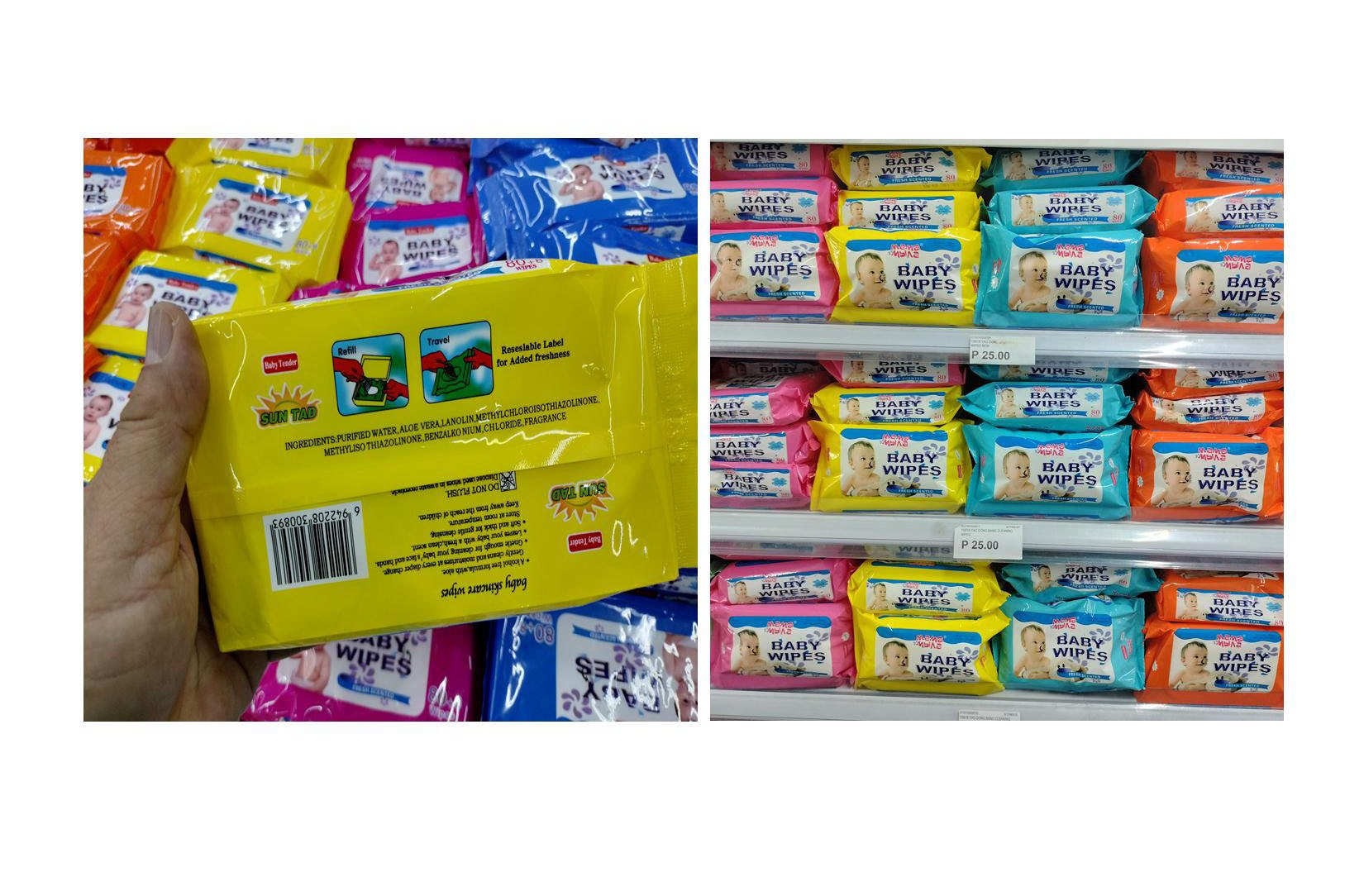
As reliance on wet wipes continues to rise, so do the health and environmental warnings associated with their use. Originally marketed as a convenient hygiene product, wet wipes have been linked to various concerns, prompting health experts and environmentalists to voice alerts. This article explores the potential risks linked to wet wipes, emphasising their significance in public health and environmental sustainability.
Health Risks Associated with Wet Wipes
Recent studies have highlighted the potential health risks posed by some wet wipes, especially those containing chemicals such as preservatives, fragrances, and alcohol. The American Academy of Dermatology has warned that the excessive use of these products might lead to skin irritation or allergic reactions. Individuals with sensitive skin or allergies could be particularly vulnerable, as these chemicals can disrupt the skin’s natural barrier and lead to conditions like dermatitis.
Moreover, the improper disposal of wet wipes can lead to further public health concerns. When flushed down toilets, these wipes do not break down like toilet paper, leading to blockages in sewer systems which can overflow and exacerbate sanitation issues.
Environmental Impact
Environmental issues related to wet wipes are also pressing. Many wet wipes are made from non-biodegradable materials, contributing significantly to landfill waste. According to the UK’s Marine Conservation Society, wet wipes are among the most commonly found plastic items on beaches, negatively impacting marine life. Animals often ingest these plastics, mistaking them for food, which can lead to severe health issues or even death.
Calls for Change
Awareness campaigns are beginning to address these issues, urging consumers to reconsider their use of wet wipes. The UK government has launched discussions regarding banning or limiting the sale of non-biodegradable wet wipes to mitigate their environmental footprint. Additionally, some manufacturers are now producing eco-friendly alternatives that break down more easily, aiming to meet consumer demand without compromising on environmental integrity.
Conclusion
The warning regarding wet wipes is not just limited to their immediate convenience; it encompasses broader health and environmental challenges that need to be addressed. As consumers become informed about these risks, it becomes crucial to rethink the reliance on such products. Transitioning to eco-friendlier options and proper disposal practices are essential steps in protecting both public health and our environment.
In conclusion, the ongoing conversation surrounding wet wipes serves as a reminder of the broader implications of consumer choices. Individuals must consider the health and environmental repercussions as they make decisions about everyday products.