Introduction
As winter descends upon the United Kingdom, the Met Office has issued several winter weather warnings, emphasising the importance of preparedness during potentially severe weather conditions. These warnings are not only crucial for public safety but also for mitigating disruptions to transport, healthcare, and daily life. With early predictions suggesting a colder-than-average winter, understanding these alerts becomes imperative for residents and authorities alike.
Latest Developments
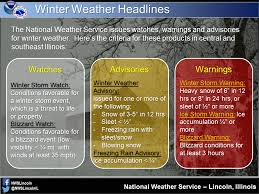
In recent days, various regions have faced disruptive weather, including heavy snowfall and freezing temperatures. The Met Office has classified these alerts into categories, ranging from yellow weather warnings, which indicate potential disruption, to red warnings, signalling significant risk of danger to life. Areas in Scotland and northern England have been particularly affected, with reports of heavy snow leading to road closures and treacherous driving conditions.
According to the Met Office, the public should remain vigilant as forecasts predict further snow and ice across the country. Local authorities are actively preparing for potential impacts, with gritters deployed to maintain road safety and community services on alert for increased demand. This proactive approach is essential as winter storms can disrupt power supplies and transportation networks.
Public Response and Preparedness
The government and local councils have taken to social media to advise residents on how to prepare for winter weather. Key recommendations include staying indoors during severe weather, allowing extra travel time if venturing out, and ensuring that homes are winter-proofed against the elements. Emergency services have also advised on the importance of keeping emergency supplies, such as blankets, food, and water, readily available in case of outages.
The impact of winter weather is felt beyond logistics; it affects public health, especially among vulnerable populations such as the elderly or those with pre-existing health conditions. Hospitals have advised that winter flu and other illnesses can rise during these cold months, further straining healthcare resources. Thus, understanding and responding to winter weather warnings can play a significant role in safeguarding both individuals and wider communities.
Conclusion
The winter season in the UK brings challenges that require vigilance and preparedness from all. With ongoing weather warnings issued by the Met Office, it is essential for residents to stay informed and heed advice from local authorities. Understanding the nature and significance of these warnings can drastically reduce risks and ensure that communities can navigate through winter safely. As we move deeper into winter, continuous monitoring of weather updates will be crucial in mitigating the impacts of severe weather events.