Introduction to Windows 10
Windows 10 remains a crucial operating system for millions around the globe, offering a familiar yet powerful interface for both personal and professional use. Released in July 2015, it marked a shift in how Microsoft approached operating systems, opting for a ‘Windows as a Service’ model. This approach provides regular updates and new features, ensuring users have access to the latest technology and security enhancements, making it relevant in today’s fast-paced digital environment.
Key Features and Recent Updates
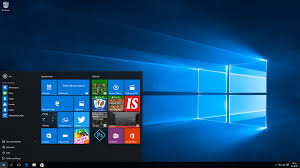
Windows 10 is known for its user-friendly interface, including features like the Start Menu, which combines the traditional layout with live tiles for instant access to information. Furthermore, the Task View allows users to manage multiple desktops, enhancing productivity. Recent updates have focused on improving security, with built-in antivirus software (Windows Defender) and support for biometric authentication features like Windows Hello.
In October 2023, Microsoft announced significant updates, including the much-anticipated Windows 10 22H2 feature update that enhances performance and introduces new customisation options. These updates are part of Microsoft’s commitment to always improve user experience, following feedback from the community. Security features have also been bolstered, particularly against ransomware threats, which have become prevalent globally.
Support and Compatibility
Another essential aspect of Windows 10 is its compatibility with a range of devices, from laptops and desktops to tablets. Microsoft has committed to supporting Windows 10 until October 14, 2025. This means that users can expect security patches and updates to enhance their experience on this operating system for another two years, a crucial consideration for businesses and consumers alike. However, as newer operating systems like Windows 11 are introduced, there is ongoing discussion about how the transition will affect Windows 10 users.
Conclusion: The Future of Windows 10
As Windows 10 approaches its end of mainstream support, it’s evident that it still plays a vital role in many computer systems worldwide. The focus on user security, continuous updates, and feature adjustments underlines Microsoft’s dedication to providing robust and reliable software. For users considering upgrading to Windows 11, weighing the benefits against their current operating system setup will be essential. Whether users choose to stay with Windows 10 or transition to the latest version, staying informed of updates and features will ensure they maximise their technology efficiently.