Introduction
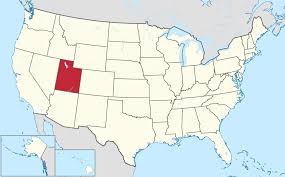
The political classification of states in the United States often shapes national elections and local governance. Understanding whether Utah is considered a red state is crucial for political analysts, voters, and candidates alike. Historically, a red state refers to one that predominantly supports Republican candidates in elections, and Utah’s political landscape has shown strong support for the GOP over the years.
Utah’s Political Landscape
Utah has established itself as a reliable red state, especially in recent elections. In the 2020 Presidential election, former President Donald Trump secured 58.1% of the vote in Utah, while his Democratic opponent, Joe Biden, garnered 37.6%, illustrating the state’s Republican alignment. Furthermore, Utah’s congressional delegation consists entirely of Republican representatives, highlighting the dominance of the GOP in state politics.
The state’s voting patterns extend beyond the federal level. In local elections, Republican candidates continue to perform strongly across various levels of office, including the governor’s mansion, which is held by Republican Spencer Cox since January 2021. Historically, Utah has been a Republican stronghold, which can be attributed to various factors, including demographic trends and cultural influences. The majority of Utah’s population belongs to the Church of Jesus Christ of Latter-day Saints (LDS), which traditionally adheres to conservative values and has shown consistent support for Republican policies.
Demographic Factors
Utah’s unique demographics contribute to its political leanings. The state has a relatively young population, highly engaged in community and family-oriented activities, often aligning with conservative views. Urban centres like Salt Lake City exhibit more diverse political opinions, occasionally favouring Democratic candidates, but rural areas predominantly support the GOP. This rural-urban divide is a common theme in many states, yet in Utah, the overwhelming weight of conservative rural voters significantly shifts the overall political atmosphere.
Conclusion
In conclusion, Utah is firmly established as a red state, with strong Republican support across local, state, and national elections. This classification appears unlikely to change significantly in the near future, given the state’s demographic stability and cultural affiliations. However, the evolving political landscape, particularly in urban areas, may introduce shifts in party dynamics, making it important for observers and political strategists to continue monitoring these changes. For voters and residents, understanding this political identity is essential when engaging in civic responsibilities and local governance.