Introduction
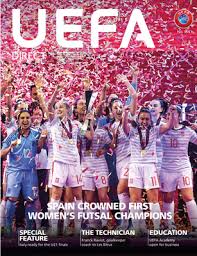
The Union of European Football Associations (UEFA) plays a pivotal role in the structure and governance of football across Europe. Established in 1954, UEFA has become synonymous with some of the most prestigious football competitions in the world, such as the UEFA Champions League and UEFA European Championship. Understanding UEFA’s influence is crucial for fans, players, and the overall development of the sport, particularly as it navigates the modern challenges of commercialisation and inclusivity.
UEFA Competitions
One of UEFA’s most significant contributions to football is the organisation of high-profile tournaments that not only showcase the best teams in Europe but also drive substantial economic impact and football development initiatives. The recently concluded UEFA Champions League saw Manchester City crowned champions, highlighting the tournament’s status as the pinnacle of club football. Likewise, the UEFA Euro 2020, held in 2021 due to the pandemic, attracted a global audience of over 300 million, illustrating the event’s significance in promoting the sport.
Regulatory Role and Governance
UEFA’s regulatory powers extend beyond just organising competitions. The governing body is also responsible for enforcing rules related to financial fair play (FFP) and player transfers. Recent investigations into clubs like Manchester City and Paris Saint-Germain regarding FFP violations reiterate UEFA’s commitment to maintaining the integrity of financial practices in football. These measures are vital for creating a level playing field and ensuring the sustainability of the clubs.
Challenges and Future Directions
As football evolves, UEFA faces significant challenges such as the rise of breakaway leagues, particularly the Super League proposal, which faced widespread criticism from fans and stakeholders. This incident illuminated the tensions between commercial interests and traditional competition formats. In response, UEFA has engaged in dialogues to protect its competitions while adapting to changing landscapes, including implementing new formats and broadcasting agreements to retain viewer engagement.
Conclusion
UEFA remains a cornerstone of European football, impacting not just the sport itself but also the culture surrounding it. With ongoing discussions aimed at reforming tournaments and addressing financial issues, the future of UEFA appears dynamic. Its ability to adapt to challenges while fostering talent and equitable competition will be key in shaping the next generation of football in Europe. For fans and stakeholders alike, UEFA’s actions today will resonate in the sport for years to come.