Introduction
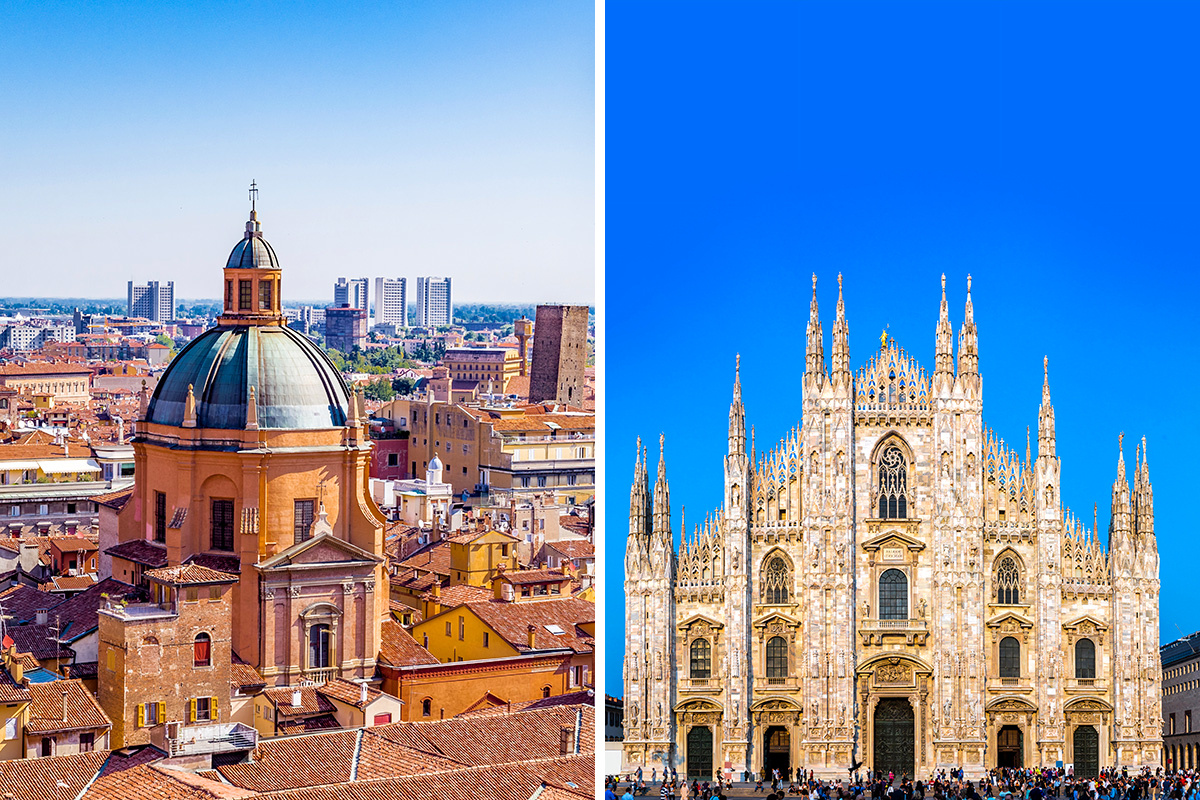
The route between Bologna and Milan is one of Italy’s most important travel corridors, with significant cultural, economic, and educational ties. As travel demand continues to rise post-pandemic, understanding the transportation options and trends can provide valuable insights for both locals and tourists looking to navigate this vibrant connection.
Current Travel Options
Bologna and Milan are well connected through various means of transport. The train services, operated primarily by Trenitalia and Italo, offer frequent high-speed connections that make the journey efficient, taking approximately 1 hour and 30 minutes. Recent statistics indicate that over 1 million passengers travel this route annually, highlighting its significance.
In addition to train services, long-distance buses provide a cost-effective alternative, catering mainly to budget travellers. Companies such as FlixBus operate multiple daily routes between the two cities, ensuring easy access even during peak times.
Impact of Recent Developments
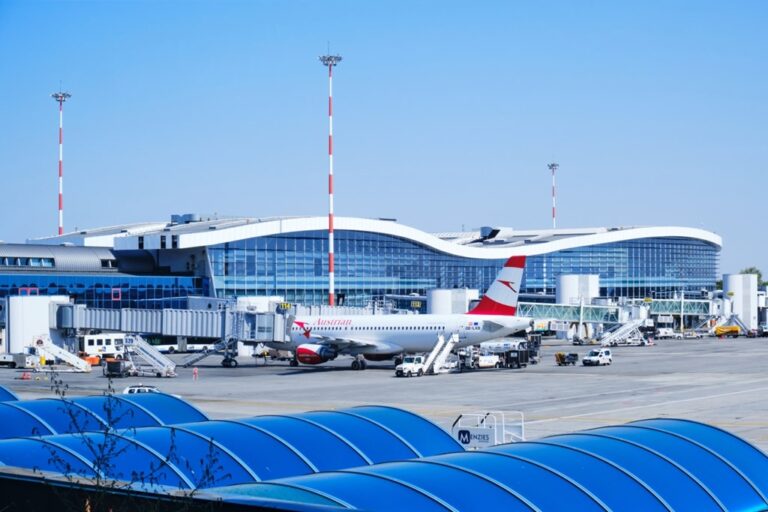
Recent infrastructure improvements have also played a role in enhancing travel between Bologna and Milan. The expansion of Bologna’s Guglielmo Marconi Airport has facilitated increased air travel options, making it a viable alternative for long-distance travellers. Furthermore, Milan’s Malpensa and Linate airports have seen partnerships aimed at improving connectivity, thus benefitting both business and leisure travellers.
Additionally, the introduction of hybrid and electric vehicles in car rentals along this route aligns with Italy’s commitment to sustainability, making it an appealing choice for environmentally conscious travellers.
Visitor Experience
Visitors journeying from Bologna to Milan not only seek the destination but also the experience along the route. Many tourists prefer making stops at notable landmarks such as Modena and Reggio Emilia, famous for their culinary offerings and rich history. This trend has encouraged local businesses and tourism boards to develop bespoke travel packages aimed at enhancing the overall travel experience.
Conclusion
With the steady rise in travel demand between Bologna and Milan, the importance of efficient transport links and unique experiences cannot be overstated. As both cities continue to evolve and invest in infrastructure and visitor amenities, it is anticipated that more travellers will explore this route. The ongoing focus on sustainable travel options will likely reshape the way this vital connection is perceived, making it an even more attractive choice in the years to come.