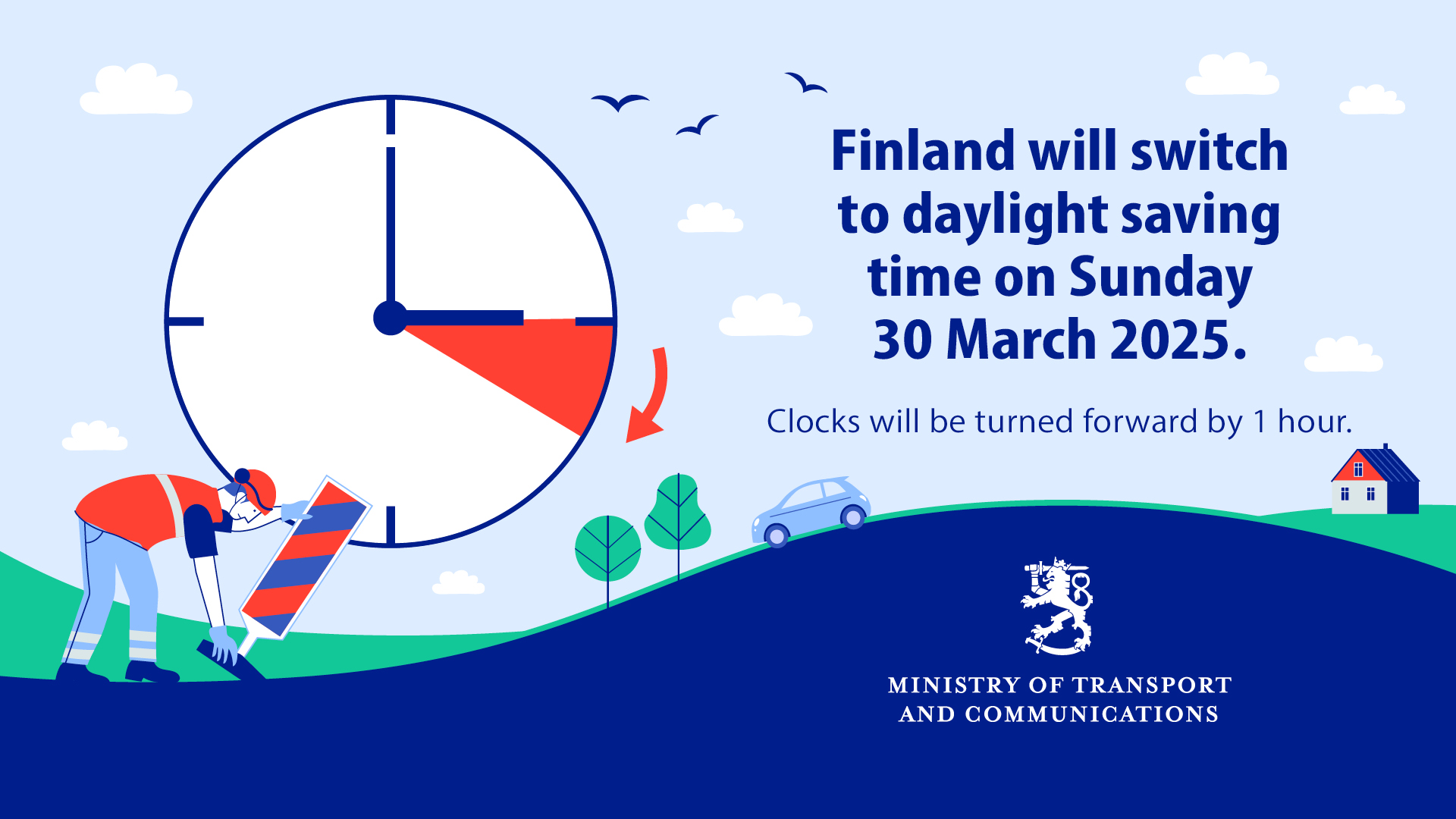
The Importance of Time Change
The concept of time change, particularly the transitioning between standard time and daylight savings time, plays a significant role in our daily lives. As we approach 2025, discussions surrounding the pros and cons of these time adjustments have become increasingly prevalent, invoking spirited debate amongst policymakers, businesses, and the public alike.
What to Expect in 2025
Currently, most countries around the world observe a yearly change of clocks, typically moving forward in spring and back in autumn. In 2025, however, the European Union’s proposal to abolish the twice yearly time change is set to come into effect, provided it receives the necessary backing from member states. This would allow countries to remain in either standard time or daylight savings time permanently.
Proponents argue that eliminating the time change could lead to better health outcomes, higher productivity, and improved safety. A significant body of research suggests that changing clocks can disrupt sleep patterns, potentially increasing the risk of heart attacks and accidents during the transition period. Several studies from Harvard University and other institutions have indicated that the week following the spring forward can see a spike in heart attack incidents.
Global Implications
While the EU is moving forward with plans to change time regulations, other regions are also reassessing their time-change policies. In recent years, countries such as Canada and several US states have explored the possibility of staying in daylight savings time year-round. These considerations are driven by an increased awareness of the potential health implications and economic impacts associated with these transitions.
Around the world, there are differing views regarding the necessity of daylight savings. Some regions, particularly near the equator, do not observe time changes, while others express resistance to altering their established systems. Incorporating these changes can lead to confusion and logistical challenges in international business dealings and travel.
Conclusion
As we approach 2025, the debate surrounding time change will continue to evolve. Whether shifts occur will depend largely on public opinion, government policies, and the results of ongoing research regarding health and productivity. For individuals and businesses alike, remaining informed about these potential changes will be essential for planning schedules and understanding broader implications. In a world that is rapidly changing, adapting to different approaches to time management may ultimately help society maximise productivity while considering health and wellbeing priorities.



