Introduction to Western Sahara
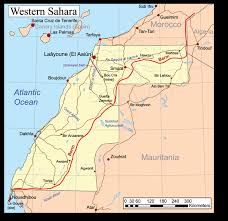
The Western Sahara, a territory located in North Africa, has been the centre of a prolonged dispute between Morocco and the Sahrawi people, represented by the Polisario Front. This issue has significant geopolitical implications in the region, drawing international attention due to its history of colonialism, displacement of people, and ongoing human rights concerns.
Historical Context
The roots of the Western Sahara conflict date back to the mid-20th century when Spain relinquished its control over the territory in 1975. Following Spain’s withdrawal, Morocco claimed the region, leading to a brief conflict with the Polisario Front, which aims for the independence of Western Sahara. A United Nations brokered ceasefire was established in 1991, alongside a promise for a referendum on self-determination for the people of Western Sahara; however, this referendum has yet to occur.
Recent Developments
In recent months, tensions have escalated as Morocco continues to solidify its control over the region, with reports of increased military presence and infrastructure development in Western Sahara. Meanwhile, the Polisario Front has declared a return to armed struggle, announcing it will resume hostilities in response to Morocco’s aggressive actions. The UN remains involved, with ongoing discussions around potential resolutions but little progress has been made towards a peaceful settlement.
Internationally, the situation remains complex. While some countries have expressed support for the Sahrawi independence movement, others, including several Western nations, have maintained ties with Morocco, often prioritising strategic and economic interests over human rights concerns. NGOs have reported instances of human rights violations in both the territory and among Sahrawi refugees, highlighting the dire need for a resolution.
Conclusion
The conflict in Western Sahara continues to pose significant challenges to regional stability and humanitarian efforts. As both sides remain entrenched in their positions, the prospects for a peaceful resolution seem distant. The ongoing struggles for rights and recognition by the Sahrawi people serve as a reminder of the lingering impact of colonial legacies. The international community plays a crucial role in mediating this conflict, and concerted efforts are necessary to ensure that the wishes of the Sahrawi people are addressed. The future of Western Sahara hangs in the balance, with implications not only for its inhabitants but for broader regional dynamics in North Africa.