The Importance of the UK State Pension Boost
The UK State Pension is a crucial component of retirement income for millions of citizens, providing a safety net for individuals who have contributed to the National Insurance throughout their working lives. As inflation and the cost of living continue to rise, understanding the impending boost to state pensions has become increasingly important.
Details of the Pension Increase
In the latest announcement from the Department for Work and Pensions (DWP), a significant increase in the State Pension is scheduled for the upcoming financial year. Effective from April 2024, the basic State Pension will rise by 8.5%, reaching an estimated £156.20 per week. Meanwhile, the full new State Pension will see an increase to approximately £203.85 per week. This adjustment will apply to everyone who qualifies, ensuring that recipients’ purchasing power is preserved amid ongoing economic challenges.
Factors Influencing the Boost
The increase is driven largely by the government’s commitment to the ‘triple lock’ system, which guarantees that pensions will rise by the highest of earnings growth, inflation, or 2.5%. With inflation rates currently elevated due to various economic pressures, primarily exacerbated by recent global events, the triple lock mechanism has ensured that pensioners receive a fair adjustment.
Impact on Pensioners
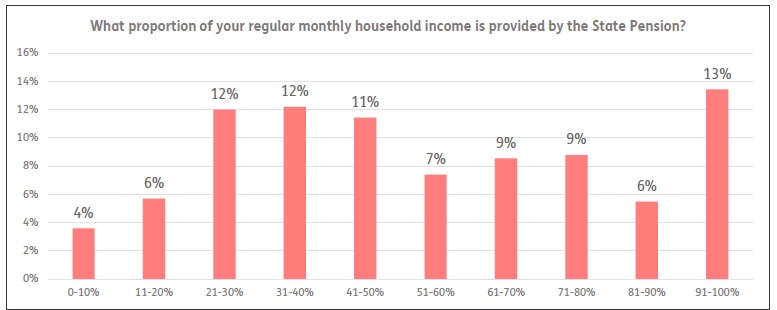
The boost to the State Pension is expected to alleviate some financial pressures faced by pensioners, many of whom rely solely on their pension for day-to-day living expenses. The increase will benefit approximately 12 million pensioners across the UK, providing welcome financial relief as fuel and food costs continue to strain household budgets.
Future Considerations
Looking ahead, this increase not only highlights the necessity of the State Pension but also raises questions about its sustainability in the long term. As the population ages and life expectancy increases, the government faces pressure to maintain these essential benefits. Economists and policymakers will be closely observing how future increments to pensions balance against fiscal constraints and evolving demographic trends.
Conclusion
The upcoming UK State Pension boost represents a significant response to the rising cost of living and reinforces the government’s commitment to support its citizens in retirement. For millions, this adjustment will mean the difference between comfort and hardship during their golden years. As the financial landscape continues to evolve, it remains critical for both policymakers and the public to engage in ongoing discussions about the future of pensions in the UK, ensuring that the system remains robust and sustainable for future generations.