Introduction
The ongoing tensions between Ukraine and Azerbaijan have raised significant concerns for regional stability and international relations. With both countries navigating complex geopolitical landscapes, understanding the dynamics at play is crucial for recognising the broader implications for security in Eastern Europe and the South Caucasus.
Recent Developments
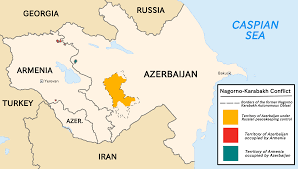
In recent months, both Ukraine and Azerbaijan have seen shifts in their political and military strategies, particularly in light of Russia’s invasion of Ukraine, which has affected regional alliances and security measures. Reports indicate that Azerbaijan has been strengthening its military capabilities, partly due to increased tensions over Nagorno-Karabakh, a disputed territory with Armenia, which has had knock-on effects on its relations with Ukraine.
In September 2023, Azerbaijan conducted a series of military exercises that were described as a demonstration of its readiness to defend its territorial integrity. These exercises included joint drills with Turkey, solidifying their military collaboration and sending a signal to its regional neighbours, including Ukraine.
On the other hand, Ukraine has been vocal in its support for Azerbaijan’s sovereignty and territorial claims, particularly advocating against external aggression in the region. Ukrainian President Volodymyr Zelensky has expressed solidarity with Baku during various public addresses and bilateral meetings.
Geopolitical Influence
The Ukraine vs Azerbaijan dynamic is influenced by broader geopolitical shifts occurring in the region. Ukraine, facing aggression on its own territory, seeks to bolster its alliances, while Azerbaijan aims to position itself as a key player amid the regional power struggles involving Russia and Turkey. As a result, both countries have moved towards enhancing military cooperation and support in international forums.
Moreover, the energy crisis in Europe due to the conflict in Ukraine has prompted Azerbaijan to accentuate its role in supplying gas to European markets as an alternative to Russian gas. Ukraine’s ally, the European Union, has been keen on fostering this partnership which can lead to increased economic ties between the two nations.
Conclusion
The ongoing situation between Ukraine and Azerbaijan underlines the intricate balance of power in Eastern Europe and the South Caucasus. As both nations navigate their respective challenges, their cooperation could reshape regional alliances and contribute to a more secure future. Observers will need to keep a close eye on how these developments unfold, particularly as the international community addresses the implications of both countries’ strategic postures in the wake of ongoing conflicts. Understanding this relationship is vital not only for policymakers but also for those keen on grasping the changing dynamics of global politics.