Introduction
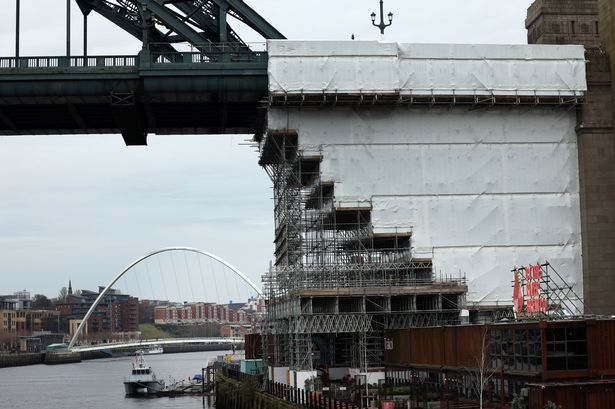
The Tyne Bridge, an iconic landmark in Newcastle upon Tyne, has been a vital part of the city’s infrastructure since its opening in 1928. The recent closure of the bridge has raised considerable concern among local residents, businesses, and commuters. This closure is more than just an inconvenience; it affects traffic flow, public transport, and economic activity in the area. Understanding the reasons for the closure and its implications is essential for residents and stakeholders.
Details of the Closure
The Tyne Bridge was closed on October 15, 2023, following a series of inspections that revealed significant structural issues. According to Newcastle City Council, these problems necessitated immediate action to ensure the safety of both pedestrians and vehicles. The council has indicated that extensive repairs will be required, potentially lasting several months.
During this closure, traffic is being diverted to alternative routes, which has resulted in increased congestion on surrounding roads. Local bus services have also been significantly affected, prompting changes in routes and schedules to accommodate stranded commuters. The impact on local businesses is also noteworthy, as footfall has dropped in areas that normally benefit from bridge-related traffic.
Community Response
The local community has expressed mixed feelings about the bridge’s closure. While safety concerns are paramount, many are frustrated by the disruption. Public forums have been held to discuss the situation, with residents voicing their concerns about the potential long-term economic impacts, particularly for shops and cafes that rely on passing trade.
Expected Repairs and Future Plans
Newcastle City Council is currently working with structural engineering firms to assess the full extent of the repairs needed. The council has committed to keeping the public informed throughout the process. Once repairs are completed, plans include not only restoring the bridge but also integrating enhancements to improve accessibility and safety for future users.
Conclusion
The closure of the Tyne Bridge is a significant event for Newcastle upon Tyne, affecting traffic, local businesses, and daily life for many residents. As repairs progress, it is essential for the community to stay engaged and informed. The long-term significance of this closure will depend on how efficiently the repairs are executed and how the city adapts to mitigate the impact on the local economy. While the immediate future may seem challenging, there is potential for a stronger, safer bridge that better serves the community once reopened.