Introduction
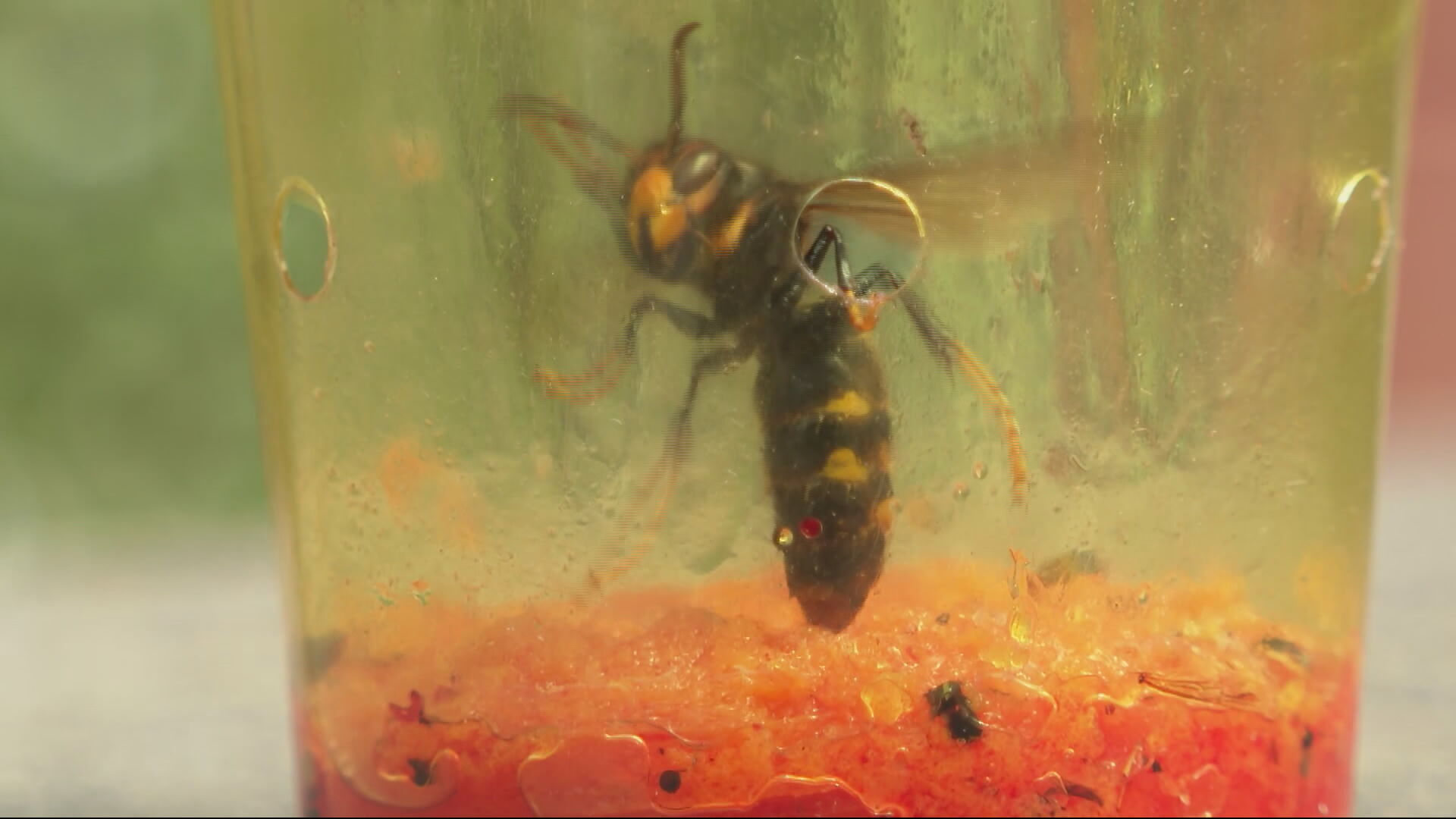
The Asian hornet (Vespa velutina) has become a formidable concern for wildlife and agriculture in the United Kingdom and Europe. This invasive species, originally from Southeast Asia, was first spotted in France in 2004 and has since spread across several regions. The importance of addressing this issue cannot be understated, as Asian hornets threaten native bee populations, biodiversity, and agricultural productivity.
Details on Asian Hornet Nests
Asian hornets can construct large nests in trees, bushes, and even buildings, with nests reaching up to 1 meter in diameter. These nests are generally greyish-brown, made from chewed wood fibers mixed with saliva, resembling paper. The hornets are particularly active from late summer to autumn, with their nests becoming larger and more populated as the season progresses.
The presence of Asian hornets in the UK was confirmed in 2016, following reports from the Channel Islands. Since then, control measures have been implemented by government agencies in an effort to contain their spread. The nests pose a specific threat to honeybee populations, as Asian hornets prey on them, leading to decreased pollination and significant agricultural impacts.
Recent Developments
In 2023, reports indicated an increased monitoring effort across the UK, particularly in regions where nests were identified previously. Local councils and wildlife organizations, in collaboration with the Department for Environment, Food and Rural Affairs (DEFRA), have launched initiatives for public awareness and reporting of sightings. The public is encouraged to report hornet sightings directly to relevant authorities, ensuring a swift response to potential nests.
Moreover, expert entomologists are conducting workshops on the identification of Asian hornets and their nests, aiming to equip beekeepers and farmers with the necessary skills to deal with this emerging menace effectively. The integration of trained pest controllers within local communities has also been ramped up to ensure swift nest eradication protocols when necessary.
Conclusion
As Asian hornets continue to establish themselves in the UK, the ramifications for local ecosystems and agriculture cannot be ignored. Immediate action to monitor and control their population is crucial in preserving native bee species and ensuring sustainable agricultural practices. The ongoing efforts by governmental and local agencies are critical in mitigating the risks posed by Asian hornet nests, but public participation will play a key role in combatting this invasive threat. Awareness and education will be essential as the country braces for the challenges posed by this troublesome pest in the coming years.