Introduction
The upcoming Tanzania elections, scheduled for October 2023, hold significant importance for the nation’s political landscape. As a crucial event in the East African nation, these elections will determine not only the next president but also parliament members and local government positions. Given Tanzania’s history of political tensions and changes since its independence, this election cycle is pivotal for both domestic and international observers.
Recent Developments
As the election date approaches, various political parties are gearing up to present their candidates. The ruling party, Chama Cha Mapinduzi (CCM), has maintained a stronghold on power for over 60 years. Recent polls suggest that while CCM continues to command significant support, there is a rising interest in opposition parties, particularly the Chadema party, which has galvanised young voters who are disillusioned with the status quo.
The electoral commission has also announced changes to voting regulations aimed at increasing transparency and participation. These reforms are critical as the previous elections faced accusations of irregularities and suppression of dissent, leading to increased scrutiny from both local and international watchdogs.
Challenges and Concerns
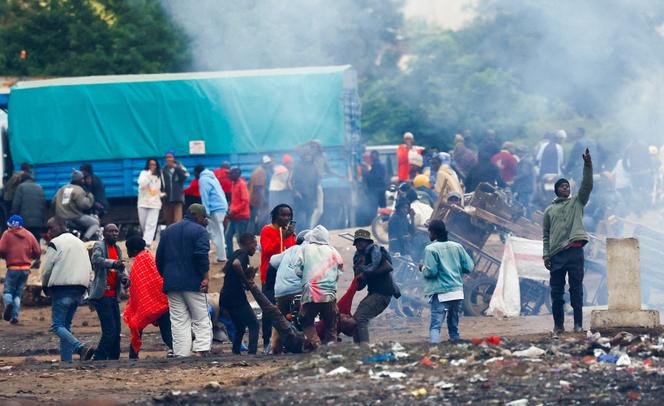
Despite the optimistic reforms, challenges remain. The political environment in Tanzania has been marked by crackdowns on dissent and freedom of expression, raising concerns about the fairness of the upcoming elections. Reports of opposition leaders facing intimidation and restrictions on political rallies could pose threats to a democratic process, potentially dampening voter turnout.
The impact of socio-economic issues, particularly rising living costs aggravated by the global economic climate, also plays a pivotal role in the elections. Candidates are increasingly addressing these concerns in their campaigns to resonate with voters who are seeking genuine change and improvement in their living standards.
Conclusion
The Tanzania elections in 2023 are not just a test of political power but a reflection of the people’s aspirations for democratic governance and accountability. With a youth population eager for change and a political climate charged with both hope and uncertainty, the elections will be a defining moment for the country’s future. As the world watches, the outcomes are likely to have significant implications for Tanzania’s relations with international partners and overall political stability in the region.