The Importance of Tracking Petrol Prices
Petrol prices have become a critical topic for consumers across the United Kingdom, impacting not just individuals but the broader economy. With fluctuating oil prices, rising taxes, and logistical challenges, understanding the underlying factors that contribute to petrol price changes is essential for consumers and policymakers alike.
Current Trends in Petrol Pricing
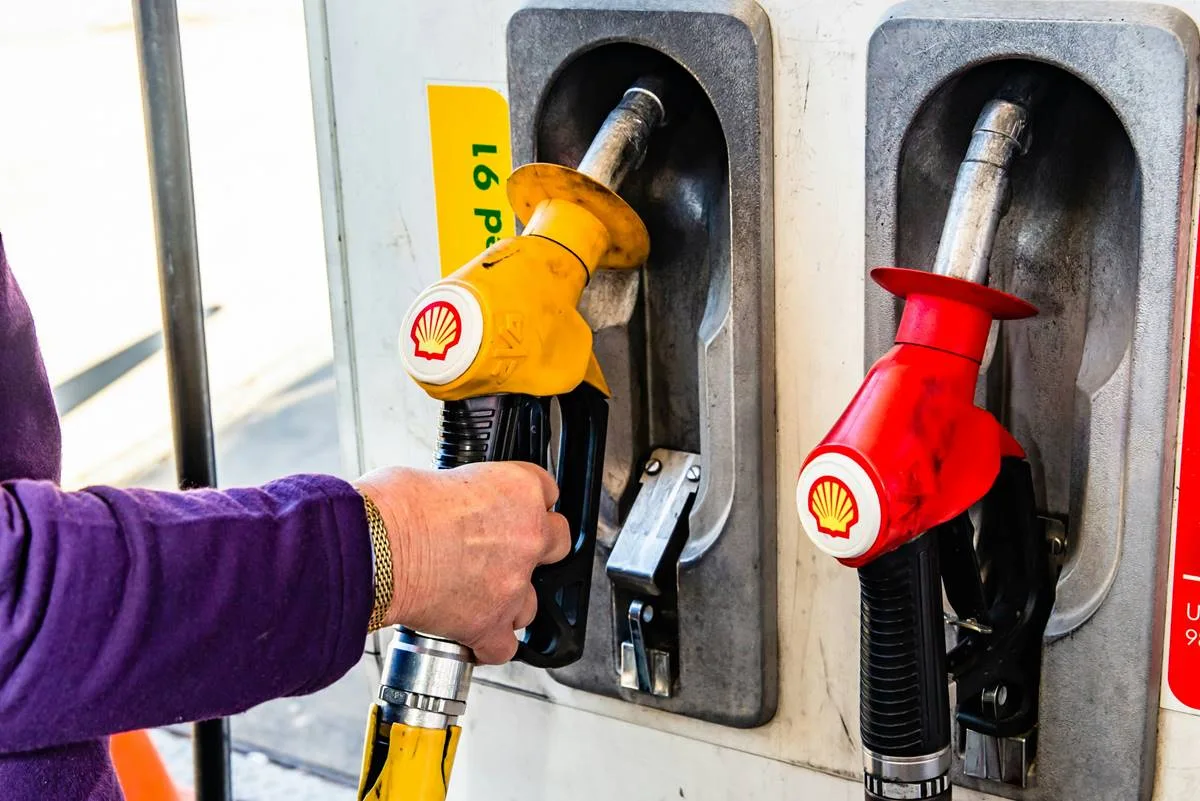
As of October 2023, petrol prices in the UK have risen significantly, reaching an average of £1.70 per litre, an increase of approximately 12% compared to the same period last year. Data from the UK Oil and Gas Authority signals that the increase is primarily due to a rebound in global oil prices post-pandemic, exacerbated by geopolitical tensions, particularly in the Middle East. The recent cuts in oil production by OPEC (Organisation of the Petroleum Exporting Countries) have further tightened supply, leading to increased prices at the pump.
Factors Influencing the Increase
Several factors contribute to the rising petrol prices in the UK:
- Global Oil Prices: The Brent crude oil price, a major benchmark, has risen steadily, impacting local petrol costs.
- Fuel Taxes: Taxes on fuel in the UK, including excise duty and VAT, continue to contribute a significant percentage to the end-user pricing.
- Exchange Rates: The weakening of the British pound against the US dollar means that import costs for oil have become higher.
- Distribution Costs: Ongoing supply chain disruptions and increased transportation costs due to inflation have also driven prices up.
The Impact on Consumers and the Economy
This surge in petrol prices is felt acutely by consumers, impacting everything from commuting costs to the price of goods transported by road. Many families are reassessing their budgets, and there is growing concern that this could lead to diminishing consumer spending power, which has wider implications for economic growth. The transport sector, including logistics and public transport, faces rising operational costs, which may eventually lead to further price increases for goods and services.
Future Outlook
Economists predict that petrol prices may stabilise if global supply chains recover and demand balances with supply. However, the uncertainty surrounding global events means consumers should prepare for continued fluctuations. The government is under increasing pressure to consider tax relief measures to alleviate some of the burden on consumers. In conclusion, the ongoing rise in petrol prices is a significant concern for UK households and businesses, highlighting the interconnected nature of global economics and the necessity for adaptive strategies moving forward.