Introduction
The state pension is a crucial component of the UK social security system, providing financial support to retirees. As the population ages, understanding the state pension’s structure, eligibility criteria, and recent changes is more important than ever for current and future retirees.
Current State Pension Overview
The state pension in the UK has undergone several reforms over the years, notably with the introduction of the new state pension in April 2016. The new state pension provides a flat-rate benefit to those who have made sufficient National Insurance contributions. As of 2023, the full new state pension stands at £203.85 per week, a rate that reflects the government’s effort to ensure that pensioners are not left behind amid rising living costs.
Eligibility Criteria
To qualify for the full new state pension, individuals generally need to have paid National Insurance contributions for at least 35 qualifying years. Those who have fewer qualifying years will receive a reduced pension based on the number of years they have contributed. It is also crucial to note that some individuals, such as those born before April 6, 1951 (women) and April 6, 1946 (men), may still be subject to the old state pension system, which has different eligibility rules and amounts.
Recent Changes and Future Outlook
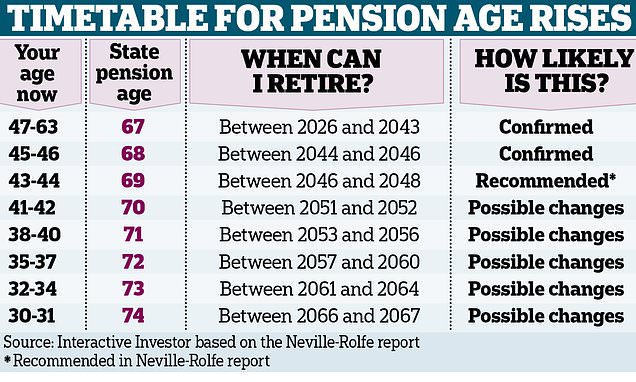
In recent years, discussions surrounding the state pension have focused on possible reforms to address demographic changes, such as an increasing number of retirees and longevity. The current government has indicated that there may be adjustments to the state pension age, which is set to rise from 66 to 68 over the coming years. This shift aims to ensure the sustainability of the pension system, although it may create challenges for future retirees. Furthermore, the government has committed to reviewing the state pension regularly to adjust benefits in line with inflation and living costs to ensure that pensioners maintain a decent standard of living.
Conclusion
The state pension remains a vital income source for millions of retirees in the UK, and understanding its nuances is essential for future planning. As we witness shifts in demographics and economic factors, staying informed about potential changes will empower individuals to make better financial decisions regarding their retirement. With proper preparation and awareness, individuals can navigate the complexities of the state pension system and secure a more stable financial future.



