Introduction to the S&P 500
The S&P 500, short for the Standard & Poor’s 500, is one of the most widely followed stock market indices in the United States and serves as a barometer of the overall health of the American economy. It comprises 500 of the largest companies listed on stock exchanges in the U.S., making it a crucial indicator for investors aiming to assess market performance. As of October 2023, the S&P 500 continues to reflect significant movements influenced by various economic factors, including inflation, interest rates, and corporate earnings.
Recent Developments in the S&P 500
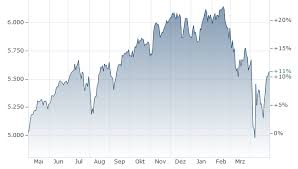
In recent weeks, the S&P 500 index has seen volatility, primarily stemming from shifting economic data and Federal Reserve announcements. In early October, the index recorded a modest gain after a significant drop earlier in the quarter. Analysts noted that investor sentiment was buoyed by reports indicating a slowdown in inflation, suggesting that the Federal Reserve might consider pausing further interest rate hikes.
Moreover, third-quarter corporate earnings reports began to roll in, revealing mixed results. Some sectors, notably technology and healthcare, outperformed expectations, contributing positively to the index’s performance. Companies like Microsoft and Johnson & Johnson reported earnings surpassing analyst forecasts, thereby driving the S&P 500 higher.
What Does This Mean for Investors?
The fluctuations in the S&P 500 are vital for both current and potential investors to consider. As the index is often viewed as a proxy for the overall market, its movements can influence investment strategies, regulatory policies, and overall consumer confidence. Financial advisors frequently recommend that individuals maintain a diversified portfolio that reflects broader market trends, including exposure to S&P 500 companies.
Conclusion: Future Outlook for the S&P 500
Looking to the future, analysts predict that the S&P 500 will continue to experience variability influenced by economic conditions and corporate performance. While some economist forecasts suggest a potential recession by mid-2024, others maintain optimism regarding economic resilience, particularly in sectors showing strong demand growth.
In summary, the S&P 500 remains a pivotal component of the investment landscape. Its ongoing fluctuations highlight the interconnectivity of economic indicators and their impact on market stability. Investors should stay informed and assess their strategies in light of these developments to optimise their financial health in an ever-evolving marketplace.