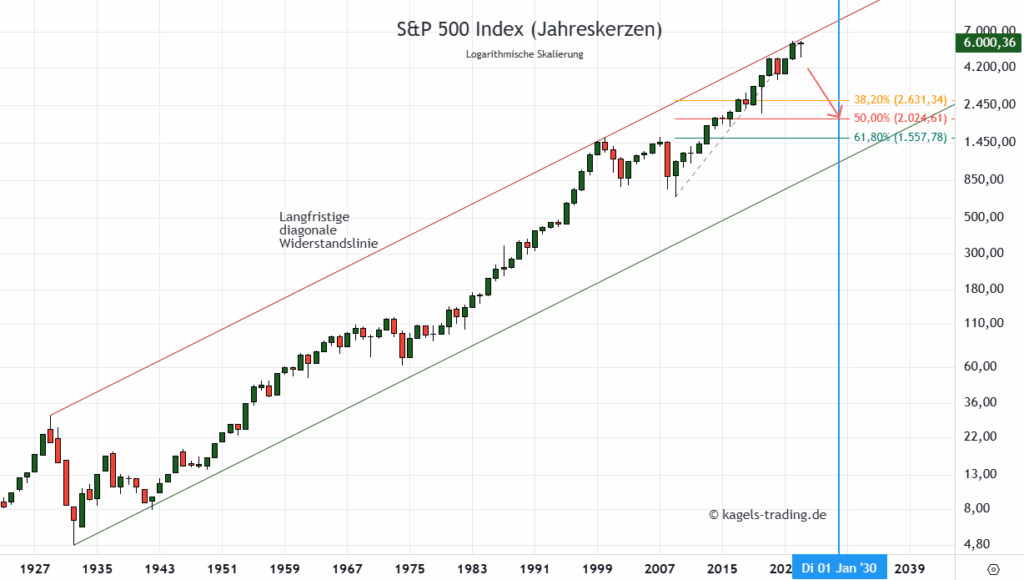
Introduction
The S&P 500, or Standard & Poor’s 500, is one of the most widely followed stock market indices in the world. It tracks the stock performance of 500 of the largest companies listed on the United States stock exchanges, making it a crucial indicator of the overall health of the U.S. economy. Investors, analysts, and policymakers alike regard the S&P 500 as a bellwether for market trends, providing insights into the performance of major industries, consumer trends, and economic vitality.
Recent Performance and Trends
As of October 2023, the S&P 500 has experienced notable fluctuations driven by various factors including interest rate changes, inflationary pressures, and corporate earnings reports. The index closed at approximately 4,200 points, reflecting an increase of around 15% year-to-date. This growth can largely be attributed to strong performances in sectors such as technology, healthcare, and consumer discretionary.
In recent months, companies like Microsoft, Apple, and Amazon have reported impressive earnings, contributing significantly to the index’s upward momentum. However, the market remains volatile, influenced by ongoing concerns about inflation, which continues to hover above the Federal Reserve’s target rate, and geopolitical tensions that could impact global trade.
Impact on Investors
For investors, tracking the S&P 500 is essential for understanding market dynamics. It serves not just as a barometer of economic health but also as a benchmark for portfolio performance. Many funds and portfolios aim to replicate the S&P 500’s performance, making it a critical element in asset allocation strategies. Financial analysts recommend that investors consider both macroeconomic indicators and specific industry trends reflected in the index to guide investment decisions.
Conclusion
Looking ahead, the S&P 500 is expected to remain a focal point for investors and analysts alike. With interest rates projected to stabilise and inflation appearing to peak, the outlook for the index remains cautiously optimistic. However, external factors such as global economic conditions and policy changes could introduce new variables that influence market stability. As always, investors are advised to conduct thorough research and consider diversifying their portfolios to mitigate risks associated with market volatility. Monitoring developments related to the S&P 500 will be key for anyone looking to navigate the financial landscape effectively.