Introduction to the S&P 500
The S&P 500, or Standard and Poor’s 500, is a stock market index that measures the stock performance of 500 large companies listed on stock exchanges in the United States. It serves as a benchmark for the overall health of the U.S. economy and is widely regarded as one of the best representations of the market’s performance. As of 2023, the S&P 500 remains a key indicator for investors and analysts, especially amid evolving economic conditions.
Current Events and Trends
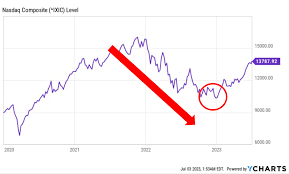
As of late October 2023, the S&P 500 index has shown a modest recovery after experiencing fluctuations earlier in the year attributed to inflation concerns and rising interest rates. Despite a turbulent start to 2023, which saw many sectors face significant downturns, technology stocks have returned to prominence, driving much of the index’s gains. The ongoing advancements in artificial intelligence and the tech-driven economy are among the core areas propelling growth.
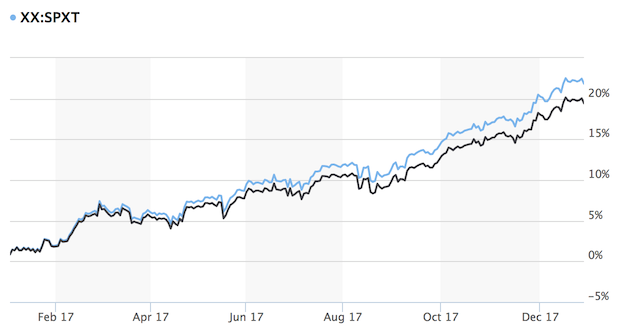
Recent data from financial analysts indicate that the S&P 500 has climbed approximately 15% from its lows earlier in the year, indicating renewed investor confidence and corporate earnings that have surpassed expectations in several sectors. According to Standard & Poor’s, the technology and consumer discretionary sectors have been the primary contributors to this resurgence, reflecting a shift in consumer spending and investment strategies.
The Significance of the S&P 500 for Investors
For individual and institutional investors, tracking the S&P 500 provides insights into market trends and economic forecasts. A well-performing index typically signals a robust economy, thereby influencing investment decisions across various asset classes. Furthermore, mutual funds and ETFs (exchange-traded funds) that track the S&P 500 enable broad market exposure for investors, reducing risk associated with holding individual stocks.
Conclusion and Future Outlook
In conclusion, the S&P 500 serves as a crucial barometer for market health and investor sentiment. Looking ahead, analysts predict that the index may continue to face volatility, especially with global economic uncertainties persisting. Factors such as ongoing inflation, interest rate changes by the Federal Reserve, and geopolitical developments will likely shape its trajectory.
For readers and investors, staying informed on the S&P 500’s trends is essential for making informed financial decisions and understanding the broader economic landscape. Its performance can significantly affect retirement accounts, investment portfolios, and overall financial well-being.