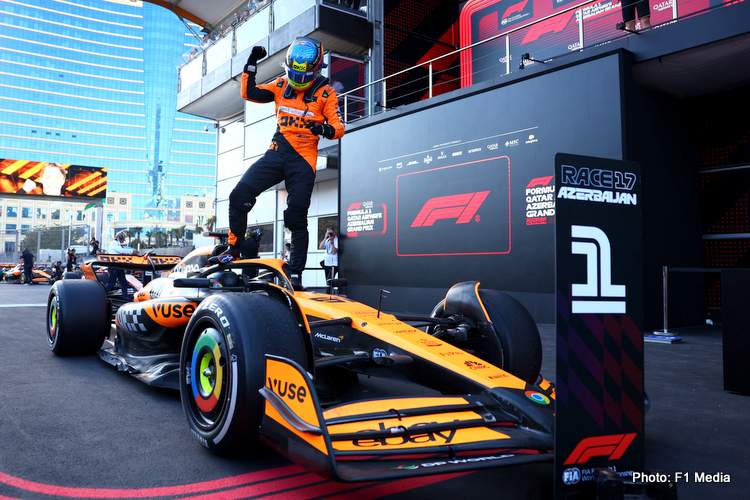
Introduction to Formula 2
The F2 Formula, known widely as Formula 2, serves as a vital stepping stone for aspiring drivers in the world of motorsport. Established in 2017 as the successor to the GP2 Series, Formula 2 is designed to provide young talents with the experience and exposure needed to transition to Formula 1 and other elite racing series. The importance of this category lies not just in its role as a developmental platform but also in its ability to deliver thrilling racing at a competitive level.
Current Season Highlights
The 2023 F2 season has been marked by intense rivalry and remarkable performances. As of October 2023, races have taken place in prestigious locations, including Monaco, Silverstone, and Monza. Notably, the championship has seen drivers like Theo Pourchaire and Logan Sargeant dominate the leaderboards, exhibiting their skill and determination to secure their places in the racing hierarchy. The current season consists of 14 rounds, with teams racing in both Feature and Sprint races, thus ensuring a diverse competitive format.
The Role of F2 in Driver Development
Formula 2 is often praised for its significant contribution to the pool of talent available to Formula 1 teams. The series utilises identical cars for all teams, promoting an environment where driver skill is paramount. This equal machinery allows for spectacular races and closely contested championship standings, which simulate the pressures and dynamics of Formula 1 racing. Many F2 graduates, like Charles Leclerc and George Russell, have not only secured seats in F1 but have also made their mark as future stars of the sport.
Looking Ahead: The Future of Formula 2
As the 2023 season draws to a close, attention begins to shift toward the development of future talent and the integration of new technologies in Formula 2. With a growing focus on sustainability and electric mobility in motorsport, there is speculation on how these changes might influence the F2 framework in the coming years. Analysts predict that as Formula 1 embraces hybrid and electric technologies, F2 will follow suit, ensuring a steady pipeline of drivers ready for the challenges of modern racing.
Conclusion
The Formula 2 series remains a critical pillar in the motorsport ecosystem, fostering the next generation of race car drivers while delivering electrifying action to fans worldwide. Its role in competitive racing and driver development ensures that it holds considerable significance, heralding the future of the sport. As it continues to evolve, Formula 2 will be integral in shaping the landscape of international motorsport in the years to come.