Introduction
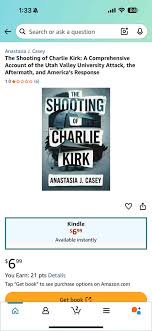
The book ‘The Shooting of Charlie Kirk’, released amid a tumultuous political climate, addresses critical issues of violence, free speech, and the challenges facing public figures today. Its relevance lies in the combination of real-life events and the broader discussion surrounding right-wing activism and media representation in the United States. As debates escalate about political rhetoric and societal violence, this book captures a moment poised for deep reflection and discourse.
Details of the Book
Authored by Charlie Kirk, a prominent conservative activist and founder of Turning Point USA, the narrative recounts Kirk’s alarming experiences surrounding a tragic incident where a young American lost their life amidst politically charged protests. The book highlights not only the emotional toll of the shooting but also engages with the larger implications of political polarization in the country. Kirk’s narrative goes beyond mere recounting; it explores the underlying currents that lead to such violence and how they impact not only individuals but communities at large.
Recent Developments
In recent weeks, the book has gained significant traction in political circles, drawing both acclaim and criticism. Supporters praise Kirk for his courage in discussing a sensitive topic that many fear to confront. Critics, however, argue that the narrative could further inflame divisions in an already fractured society. Various media outlets have covered the book’s release, highlighting both the poignant personal stories and the politically charged environment that it reflects.
Conclusion: The Significance of Kirk’s Work
‘The Shooting of Charlie Kirk’ serves as a crucial piece in understanding the current socio-political landscape of the United States. It encourages readers to engage critically with the issues of hate, violence, and the repercussions of public discourse. As the nation heads into a pivotal election year, books like Kirk’s become instrumental in shaping conversations and viewpoints. Furthermore, the discussions it prompts around freedom of expression and the responsibilities of public figures in protecting it lay the groundwork for both personal reflection and broader societal change. Readers are left to contemplate not only the content of the book but also the moral imperatives it urges us to consider within our political and personal lives.