Introduction
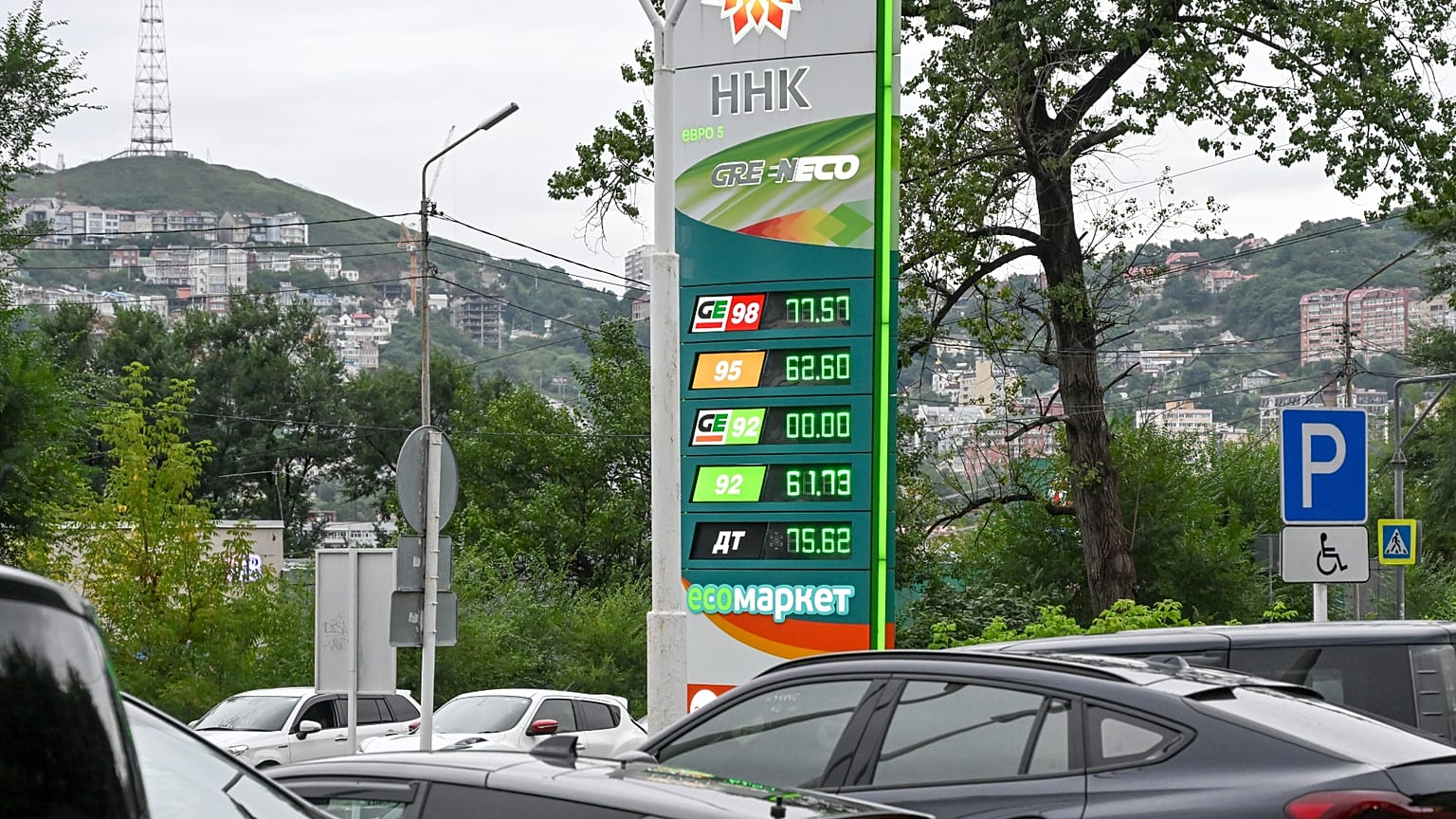
The ongoing petrol crisis in Russia has become a significant issue in the global energy market, affecting not only local consumers but also international oil prices and supply chains. The crisis can be attributed to a combination of geopolitical tensions, sanctions, and a shift in global energy dynamics. As one of the world’s major oil producers, Russia’s challenges in the petrol sector have far-reaching consequences that resonate across borders.
Current Situation
In recent months, Russia has faced increasing sanctions from Western nations due to its actions in Ukraine, which have severely restricted its ability to sell oil on the global market. According to the International Energy Agency (IEA), Russia’s crude oil production has decreased by approximately 10% since the onset of the conflict. Additionally, transportation routes to key markets have been disrupted, further complicating supply chains.
Moreover, as countries look to secure alternative energy sources, demand for non-Russian oil has surged. This has led to a marked increase in global oil prices, with Brent crude reaching a peak of $100 per barrel in late September 2023. Consequently, consumers in many countries are feeling the impact at the fuel pump, with petrol prices rising in tandem with global oil prices.
Implications of the Crisis
The implications of the Russia petrol crisis are manifold. Economically, countries reliant on Russian oil are being forced to rethink their energy strategies, pushing for diversification in their energy portfolios. This shift not only affects immediate energy security but also influences long-term energy policies, with many nations investing in renewable energy solutions.
Politically, the petrol crisis has heightened tensions between Russia and Western nations, creating a complex geopolitical landscape. As countries consider sanctions and alternative suppliers, the potential for deeper conflict remains a concern. Additionally, consumer sentiment in several nations is turning against reliance on Russian energy, further isolating Russia in global markets.
Looking Forward
As the crisis continues to unfold, it is clear that the situation will evolve over time. Analysts predict that if sanctions remain in place, Russia may struggle to regain its footing in the global petrol market. Conversely, this crisis may accelerate the world’s transition towards more sustainable energy solutions.
In conclusion, the Russia petrol crisis underscores the interconnectedness of global economies and the profound impact of political decisions on everyday life. With rising petrol prices and shifting energy policies, consumers and governments alike must navigate a new landscape that will shape the future of energy for years to come.



