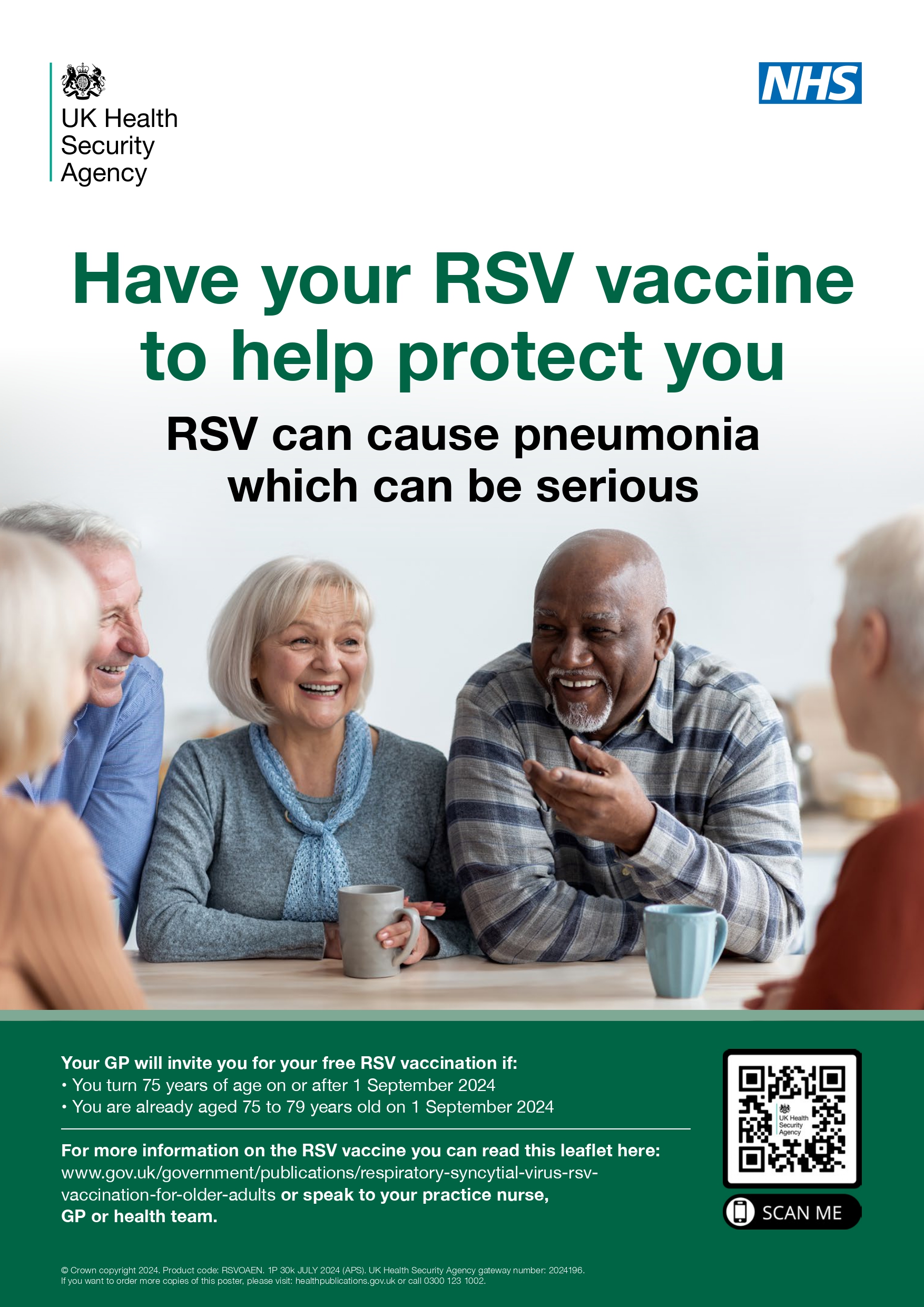
Introduction to RSV and Vaccination
Respiratory syncytial virus (RSV) is a major cause of respiratory illness in young children and older adults. Every year, millions are affected, leading to hospitalisation and, in severe cases, death. The development of an RSV vaccine has been a significant focus of research, as it presents an opportunity to mitigate the severe outcomes associated with this virus. With advancements in vaccination technology, recent developments in RSV vaccines have garnered considerable attention, underscoring their potential impact on public health.
Recent Developments in RSV Vaccines
In 2023, several pharmaceutical companies, including Pfizer and Moderna, have progressed their RSV vaccines through clinical trials. In a notable milestone, Pfizer announced that its RSV vaccine has received regulatory approval for use in older adults, targeting those aged 60 years and above. The vaccine demonstrated efficacy in preventing RSV-related hospitalisations and symptomatic infections, showing promising results in various clinical trials.
Moreover, Moderna is also making strides with its mRNA technology, which has been successful in combating COVID-19. By leveraging this technology, Moderna hopes to produce a vaccine that can effectively target RSV while also addressing other respiratory viruses, including influenza.
The Importance of RSV Vaccination
The introduction of an effective RSV vaccine could drastically change the landscape of respiratory illness prevention. RSV is particularly dangerous for infants and those with weakened immune systems, leading to thousands of hospital visits annually. By protecting vulnerable populations, such as newborns and the elderly, vaccination could reduce the health burden on healthcare systems and offer peace of mind to families.
Furthermore, an RSV vaccine could provide a framework for developing similar vaccines for other respiratory viruses, contributing to broader global health benefits.
Conclusion and Future Expectations
The RSV vaccine is shaping up to be a pivotal development in public health, especially as the global population ages and the prevalence of respiratory diseases increases. As the clinical data continues to be reviewed, the hope is that widespread vaccination can significantly decrease hospitalisation rates and mortality associated with RSV.
Looking ahead, healthcare professionals anticipate that the rollout of RSV vaccines will play an instrumental role in safeguarding public health, particularly during peak respiratory virus seasons. As consumers and healthcare providers prepare for the impact of this preventive measure, ongoing studies and monitoring will be essential to ensure effectiveness and address any potential concerns as they arise.