Introduction
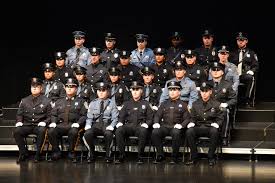
The significance of police academies cannot be overstated, as they serve as the foundation for training law enforcement professionals across the United Kingdom. With increasing demand for accountability and effective policing in our communities, the role of police academies becomes vital in ensuring that officers are well-equipped to handle the complexities of modern law enforcement.
Training Programmes and Curriculum
Police academies provide comprehensive training that encompasses various essential areas such as physical fitness, ethics, law, community engagement, and conflict resolution. Recent data from the College of Policing indicates that trainees undergo a minimum of 18 weeks of intensive training before they commence their roles in the field. This rigorous process not only prepares them for the physical demands of the job but also instills critical thinking and decision-making skills necessary for effective policing.
Current Events and Developments
In recent months, police academies across the UK have adapted their training programmes in response to concerns over police-community relations. For instance, the Metropolitan Police Service has launched new initiatives designed to enhance diversity and inclusivity within their ranks. As part of these efforts, they have incorporated modules focused on cultural competency and community policing techniques that encourage officers to engage meaningfully with the communities they serve. Additionally, technology integration into training, including the use of virtual reality simulations, is on the rise, offering realistic scenarios for recruits to practice their skills.
The Future of Police Training
As we look ahead, the importance of continual training and education at police academies will only amplify. Experts foresee a shift towards lifelong learning models where officers will regularly engage in advanced training throughout their careers, adapting to new challenges and societal changes. In this context, police academies are expected to play a pivotal role in shaping the future of law enforcement in the UK, ensuring officers remain adaptable and responsive to community needs.
Conclusion
In conclusion, police academies are essential to the framework of effective law enforcement in the UK, providing officers with the skills, knowledge, and ethical grounding needed in their roles. As societal expectations around policing continue to evolve, so too must the training provided at these academies. Ensuring that future officers receive top-quality education, reflective of current realities, will ultimately result in safer communities and more effective law enforcement partnerships.