Introduction
The recent data breach affecting Gmail users has raised significant concerns regarding online privacy and security. With millions of users relying on Gmail for personal and professional communications, the breach not only highlights vulnerabilities in data protection practices but also signals a growing threat to digital security globally. Understanding the implications of such breaches is essential for users to safeguard their accounts and personal information.
The Breach: What Happened?
In October 2023, cybersecurity researchers uncovered evidence of a massive data breach that exposed sensitive information, including Gmail passwords and account details. According to reports from the cybersecurity firm CyberSafe, the stolen data reportedly includes over 3 million Gmail usernames and passwords shared on dark web forums, inviting alarm among users and security experts alike.
The researchers noted that the breach can be traced back to a variety of phishing attacks and malware infiltrations that exploit inadequate security measures employed by users. Many passwords extracted from previous breaches were reused across varios services, making them vulnerable targets.
Impact on Users
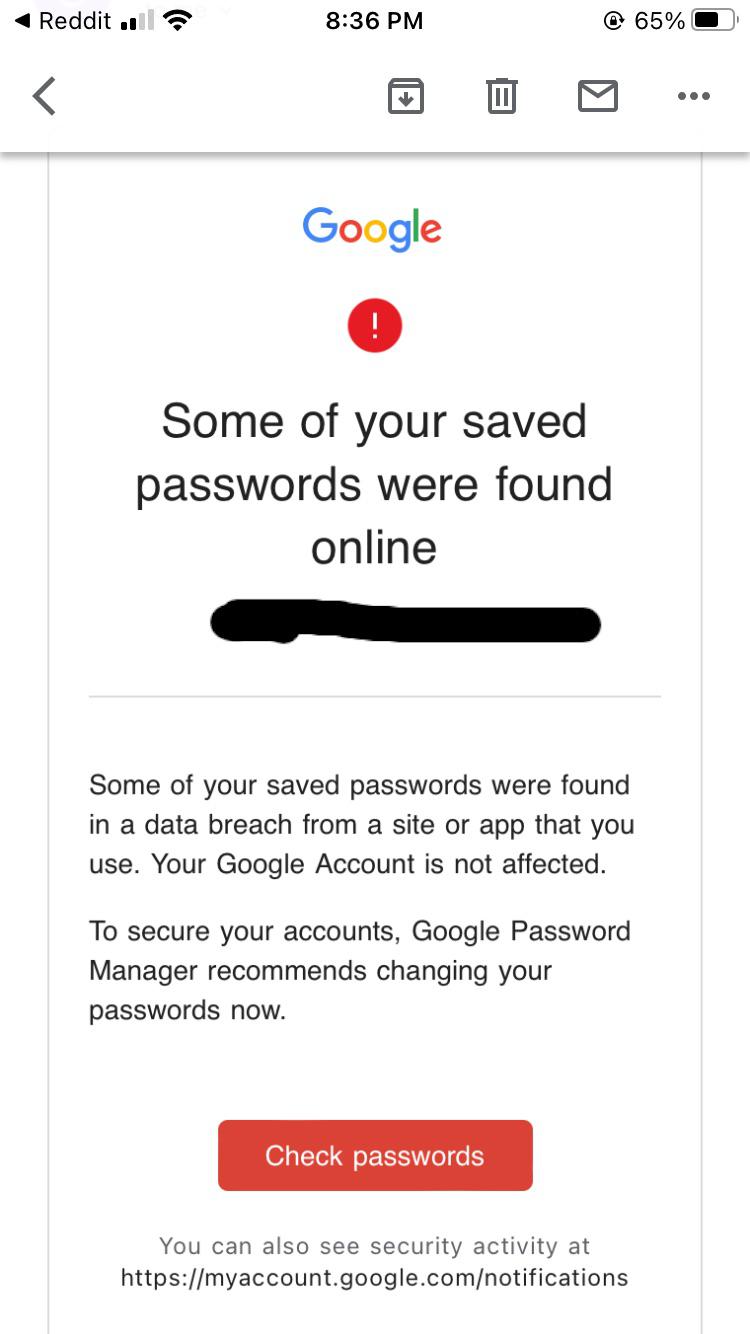
The ramifications of the Gmail passwords data breach are profound. Users are advised to change their passwords immediately and to use unique passwords for different services. Additionally, enabling two-factor authentication has been strongly recommended to bolster account security. The breach has put millions of accounts at risk and highlighted the importance of maintaining robust password hygiene.
Furthermore, experts assert that this incident could lead to a surge in phishing attempts as attackers may take advantage of the compromised information to target users with increased sophistication. Users should remain vigilant and sceptical of unsolicited emails requesting personal information.
Future Perspectives
The growing frequency of such data breaches raises critical questions about the effectiveness of current digital security measures. In response, experts predict that both private companies and governmental bodies may implement stricter regulations and more comprehensive cybersecurity strategies to curtail data theft and enhance user protection.
Moreover, organisations behind popular platforms like Gmail are under pressure to roll out improvements in their security infrastructure and user education programmes to better arm users against potential threats. It is imperative for users to stay informed about updates in security protocols and to practice safe online habits.
Conclusion
The recent Gmail passwords data breach serves as a stark reminder of the ever-present risks associated with online accounts. By understanding the nature of such breaches and taking proactive steps to protect personal information, users can mitigate potential damage. The necessity for better security practices and policies has never been clearer, and it remains vital for both users and service providers to prioritise cybersecurity in our increasingly digital world.