Introduction
The recent fire incident at Battersea, London, which broke out in early October 2023, has raised significant concerns regarding safety measures and emergency response protocols. As one of the most densely populated areas in the city, the implications of such incidents can be detrimental not only to residents but also to local businesses and emergency services. This occurrence serves as a reminder of the vital need for community preparedness and effective fire prevention strategies in urban areas.
Details of the Incident
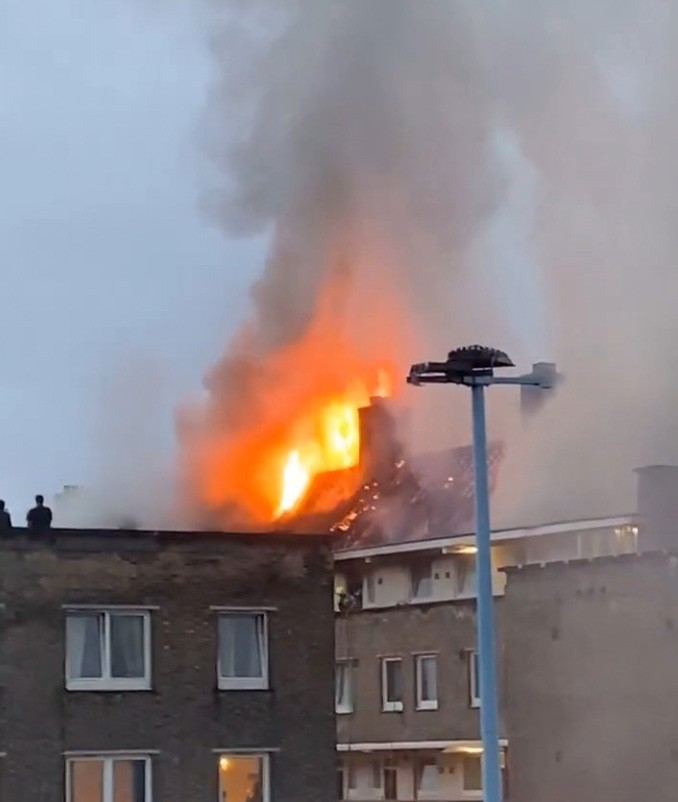
The fire began in the early hours of a Sunday morning, rapidly spreading through a multi-storey residential block in the heart of Battersea. Emergency services responded promptly with approximately 100 firefighters from the London Fire Brigade on scene within minutes. Witnesses reported seeing thick plumes of black smoke covering the skyline and an extensive response from paramedics attending to residents affected by smoke inhalation. Fortunately, there have been no fatalities reported, although several residents required medical attention, and hundreds were evacuated.
According to officials, the cause of the fire is still under investigation, though preliminary reports suggest it may have originated from an electrical fault. Nearby schools and community centres were put on high alert, while local authorities set up temporary shelters for displaced residents. The incident has raised questions about building regulations, particularly regarding fire safety measures in residential blocks.
Community Response and Impact
In the wake of the fire, local organizations and community groups have rallied together to provide support for the affected families, offering food, clothing, and emotional support. Local food banks have seen increased donations, and emergency services have praised community cooperation during the evacuation process. Residents have also expressed their concerns over the firefighting response and the adequacy of emergency services in the area, prompting discussions about enhancing local fire safety regulations.
Conclusion
The Battersea fire incident is a stark reminder of the unpredictable nature of fire hazards in urban environments and the critical importance of community vigilance and regulatory compliance. As investigations continue, this matter underscores the urgent need for stringent checks on fire safety standards in residential buildings. As local councils engage with community members, the focus will likely shift to improving safety protocols and ensuring an effective emergency response in future incidents. The event may also lead to broader discussions around urban planning and safety regulations within London’s development frameworks, aiming to safeguard residents and prevent similar tragedies. As the community heals, ongoing support and awareness initiatives will play a crucial role in recovering from this harrowing experience.