Introduction
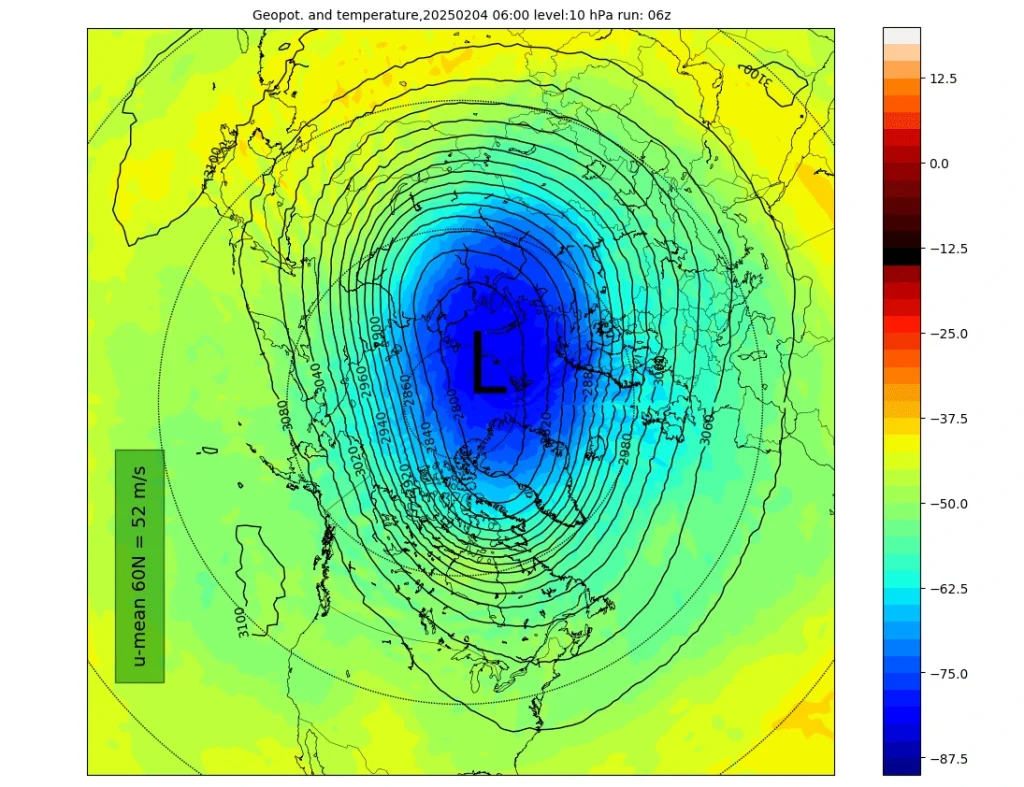
The polar vortex is a complex weather phenomenon that plays a significant role in the winter climate of the northern hemisphere. It consists of a large area of low pressure and cold air surrounding the Earth’s poles. A split or weakening of the polar vortex can lead to drastic weather changes, causing extreme cold conditions in some regions while triggering warmer weather in others. As we move further into winter 2023, understanding the polar vortex split forecast is crucial for anticipating upcoming weather patterns and preparing accordingly.
Current Forecasts
Recent forecasts from meteorological models indicate that the polar vortex may be undergoing a split in the coming weeks. This split is characterized by the polar vortex becoming destabilised, leading to a shift in weather patterns across North America, Europe, and Asia. According to climatologists from the National Oceanic and Atmospheric Administration (NOAA), models suggest that a significant disturbance in the stratosphere is anticipated, which could result in cold Arctic air plunging southwards.
Impacts of the Split
Should the polar vortex split continue to unfold, it could lead to severe winter weather in parts of the United States, particularly in the Midwest and Northeast, where record low temperatures may be expected. Simultaneously, areas such as the southern United States might experience milder conditions. Additionally, Europe could see a similar split, with northern countries possibly facing harsher winter conditions while southern nations enjoy warmer spells. This juxtaposition of temperatures can disrupt local ecosystems, agriculture, and energy consumption patterns, resulting in significant economic implications.
Looking Ahead
As researchers and meteorologists keep a close watch on the polar vortex split, they stress the importance of accurate weather forecasting systems. With climate change influencing weather patterns globally, understanding the dynamics of the polar vortex is becoming increasingly critical for cities and countries to adapt to the shifting climate. Local governments and emergency services may need to prepare for possible extreme weather events as forecasts unfold. Ongoing updates from climate scientists will be vital in ensuring communities stay informed about potential impacts.
Conclusion
The polar vortex split forecast highlights the interconnected nature of global weather patterns and the potential for significant climatic disruptions. By staying informed and prepared, populations affected by these unpredictable weather changes can mitigate risks and adapt to the evolving climate landscape.