Introduction
The polar vortex is a crucial component of Earth’s climate system, significantly affecting winter weather patterns in both the Northern and Southern Hemispheres. As experts predict a potential split in the polar vortex this season, it becomes essential to understand the implications of this phenomenon. Such splits can lead to severe cold outbreaks, extreme weather conditions, and unexpected changes in temperature patterns, making it a relevant topic for meteorologists, climate enthusiasts, and the general public.
The Polar Vortex Explained
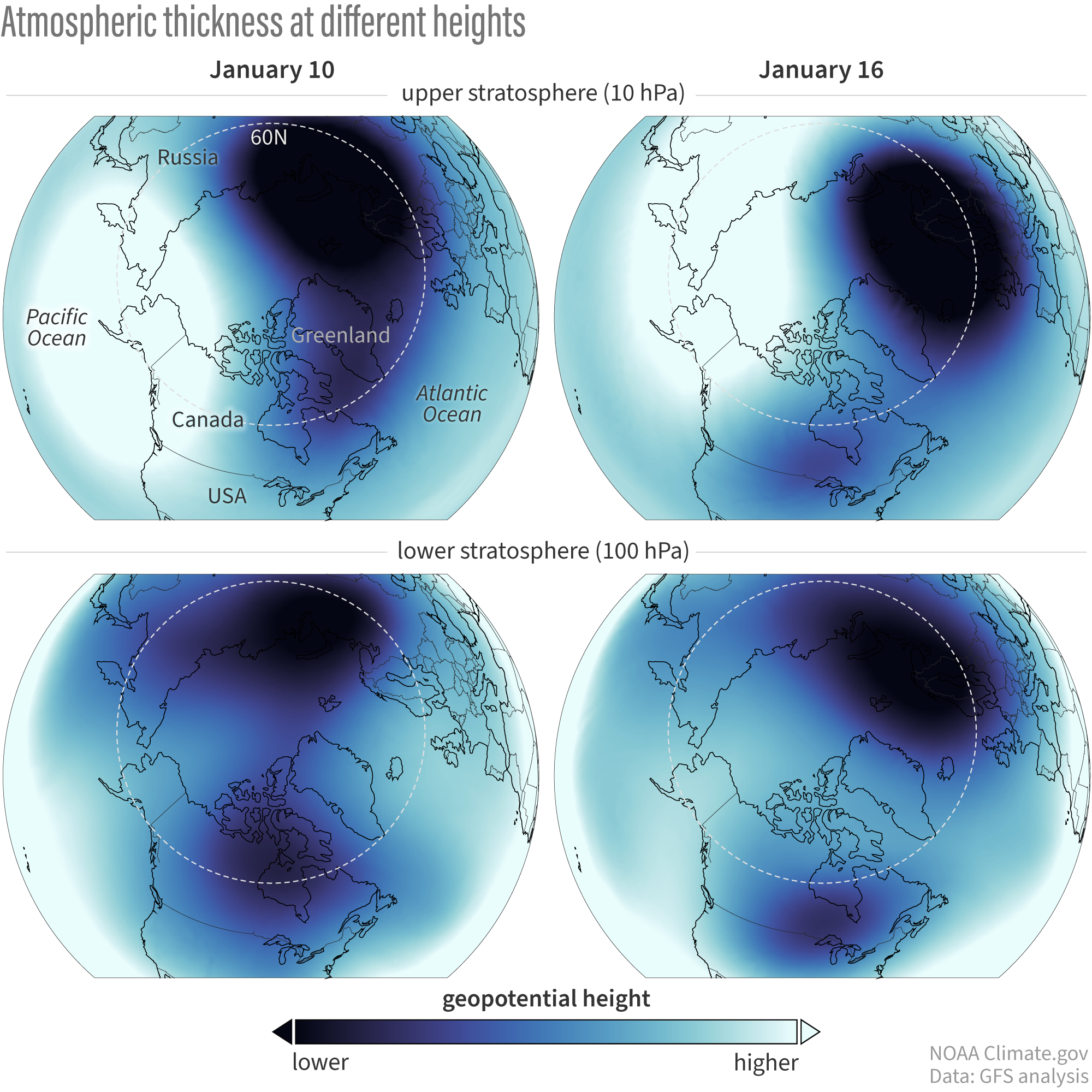
The polar vortex consists of a large area of low pressure and cold air surrounding the Earth’s poles. Typically, in winter, it remains stable and keeps the frigid air contained within the polar regions. However, under certain conditions—such as sudden stratospheric warming—this vortex can weaken or split, leading to lower temperatures and extreme weather events in mid-latitude areas.
Current Forecast and Predictions
Recent forecasts from the National Oceanic and Atmospheric Administration (NOAA) have indicated that the polar vortex may undergo a significant split in the upcoming weeks. This split is expected to send frigid Arctic air further south into the United States and Europe, triggering massive temperature drops and increased chances of snow in regions that are typically more temperate.
According to climatologists, the split might occur around late January to early February 2024. This forecast aligns with previous historical patterns where splits have contributed to intense winter conditions. For instance, during the 2013-2014 winter, a similar event resulted in record-breaking cold and snow across parts of the continental US.
Impact on Weather Patterns
The expected split of the polar vortex could have serious implications for weather in both North America and Europe. While Northern parts of the US may brace for bitterly cold temperatures, areas further south could see substantial snowfall, particularly in regions such as Texas and the Southeastern states, which are usually unaccustomed to such weather extremes.
In Europe, countries such as the UK and Germany may experience colder-than-average temperatures, coupled with the risk of increased precipitation, leading to snow and potentially hazardous conditions.
Conclusion
The forecasted split of the polar vortex highlights the importance of monitoring climatic phenomena and understanding their broader effects on day-to-day weather. For residents in affected areas, being prepared for extreme weather conditions is essential, as predictions suggest a winter that could be markedly different from previous years. As climate patterns become more unpredictable due to global warming, keeping abreast of these forecasts will be vital for safety and preparedness.