Introduction to the Polar Vortex
The polar vortex is a large area of low pressure and cold air surrounding the Earth's poles. This phenomenon is critical for understanding weather patterns, especially during winter months. As climate change continues to influence global weather, the polar vortex has drawn significant attention for its role in extreme cold weather events, particularly in the Northern Hemisphere. This article aims to provide insights into the polar vortex, its implications for winter weather, and its relevance in today’s climate discussions.
What is the Polar Vortex?
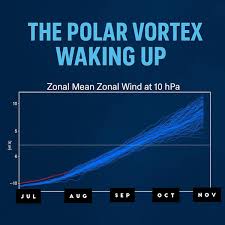
The polar vortex consists of strong, circumpolar winds that rotate around the Arctic region. When the polar vortex is stable, it keeps the cold air contained in the polar regions. However, disturbances can cause it to weaken, allowing frigid air to flow southward into mid-latitude regions, including parts of North America and Europe. The result can be severe winter weather, marked by catastrophic snowstorms and record-low temperatures.
Recent Events and Forecasts
This winter 2023, meteorologists are keeping a close watch on the polar vortex’s behaviour. In early January, the polar vortex showed signs of weakening due to high-pressure ridges, leading to blue sky conditions in the Arctic and increased chances of cold air outbreaks in the United States and Europe. According to the National Weather Service, regions across the Midwest and Northeast of the United States can expect significant snowfalls and subzero temperatures due to this polar air intrusion. European countries are also bracing for similar conditions as the polar vortex influences their weather as well.
Significance of Understanding the Polar Vortex
Understanding the polar vortex is crucial for climate science and everyday weather forecasting. Scientists continue to study how climate change affects the stability of the polar vortex. Evidence suggests that warming Arctic temperatures may increase the likelihood of extreme weather patterns, including harsher winters in some regions and milder conditions in others. This knowledge is vital for economists, farmers, and energy companies, who must prepare for the potential impacts on agriculture, infrastructure, and the energy grid.
Conclusion
The polar vortex remains an essential aspect of our climate and weather systems. As we move deeper into the winter season, the implications of its behaviour are likely to play a significant role in global weather patterns. Increased research and awareness of the polar vortex’s influence on extreme weather will empower individuals and organizations to adapt to changing conditions. Staying informed can help communities prepare for and respond to the challenges presented by severe winter storms associated with this powerful Arctic phenomenon.