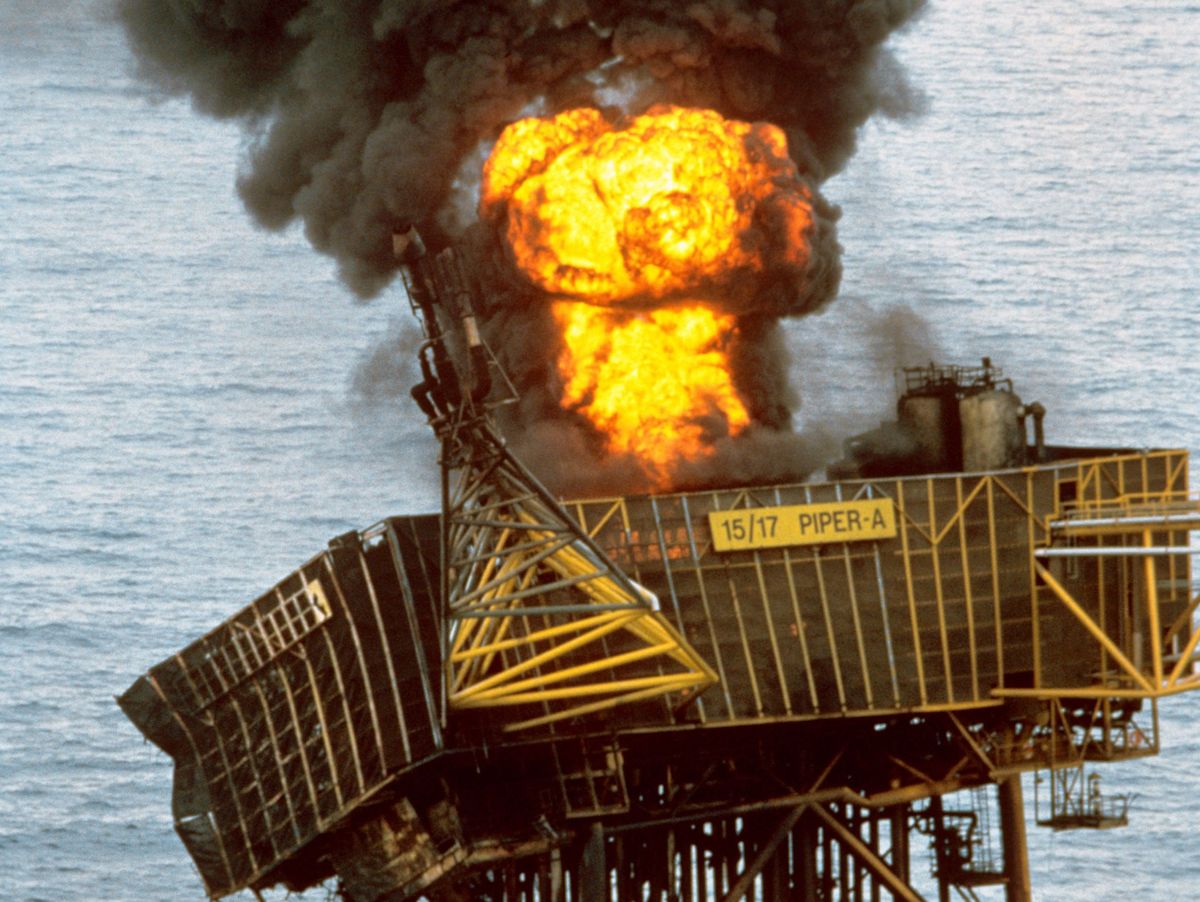
Introduction to the Piper Alpha Disaster
The Piper Alpha disaster, which occurred on July 6, 1988, off the coast of Aberdeen, Scotland, remains one of the deadliest offshore oil rig incidents in history. The tragedy not only claimed the lives of 167 workers but also served as a pivotal moment that highlighted the critical importance of safety protocols and emergency preparedness in the oil and gas industry. As the global energy landscape continues to evolve, the Piper Alpha disaster serves as a sobering reminder of the risks associated with offshore drilling and the need for stringent safety regulations.
Details of the Incident
The disaster unfolded during a routine maintenance operation when a gas leak ignited, leading to a massive explosion that ultimately destroyed the Piper Alpha platform. The initial explosion was followed by a series of fires that quickly spread throughout the structure. Due to inadequate safety systems and poorly coordinated evacuation efforts, many workers were unable to escape, resulting in a staggering loss of life.
Investigations following the incident revealed multiple failures in safety management, training, and contingency planning. A key report, the Cullen Report, highlighted the necessity for comprehensive safety practices within the industry, leading to significant changes in legislation and the establishment of the offshore safety case regime in the UK.
Impact and Changes in Safety Standards
In the aftermath of the disaster, the oil and gas sector underwent a restructuring of its operational safety standards. The UK Health and Safety Executive (HSE) enhanced its regulatory framework, requiring operators to demonstrate safety competence and adhere to rigorous safety case evaluations. This not only transformed the operational practices in the North Sea but also influenced global safety protocols in offshore operations.
Furthermore, many companies adopted lessons learned from the Piper Alpha disaster, leading to improved training programs and the introduction of new technologies designed to detect gas leaks and prevent explosions. These changes have substantially reduced the number of fatal incidents in the industry since the disaster.
Conclusion
The Piper Alpha disaster is an essential chapter in the history of offshore oil and gas production, reminding us of the catastrophic consequences of negligence in safety practices. As the world continues to rely on fossil fuels, the lessons learned from Piper Alpha are vital in ensuring the safety and well-being of workers in hazardous environments. Ongoing training, adherence to stringent safety measures, and continuous improvement will be crucial in preventing such disasters from occurring again in the future.