Introduction
The Oxford Congestion Charge has become a significant topic of discussion as cities across the UK grapple with increasing traffic congestion and deteriorating air quality. This charge is part of Oxford’s wider initiative to address these issues, making it a pivotal moment for both the city and its residents. Implementing a congestion charge not only aims to ease traffic but also to promote sustainable transportation options, thus contributing to the overall health and well-being of the urban environment.
Details of the Congestion Charge
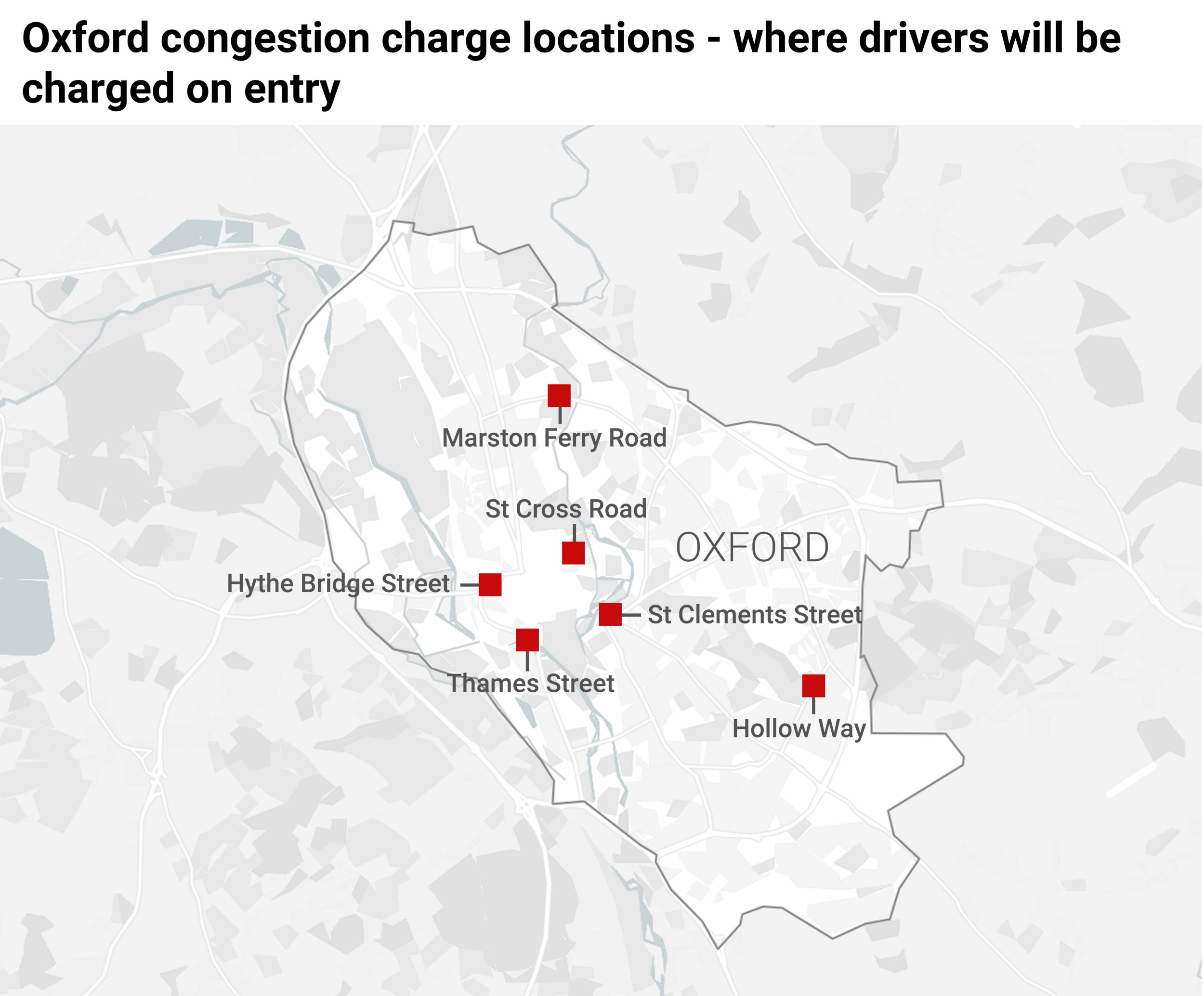
Introduced in August 2021, the Oxford Congestion Charge applies to vehicles entering a designated area of the city during peak hours. The charge operates Monday to Friday, with fees aimed at discouraging non-essential car travel. According to the latest data, drivers can expect to pay up to £2 hourly for the privilege of accessing the congested zones. The revenue generated from these fees is reinvested into public transport services, cycling infrastructure, and pedestrian facilities, fostering a more integrated and eco-friendly travel network.
Impact on Traffic and Air Quality
Initial reports from the city council indicate a promising decline in traffic volumes within the charge zone. Data shows a reduction in vehicles entering this crowded area by approximately 20%, contributing to a notable improvement in air quality, particularly regarding nitrogen dioxide levels. Oxford, which has consistently faced challenges associated with vehicle emissions, is beginning to show signs of enhanced urban sustainability as drivers adapt to the new policies, opting for bicycle, bus, or electric vehicle travel to mitigate costs.
Community Reaction
The community response to the congestion charge has been mixed. While many residents support the initiative for its potential to alleviate congestion and promote healthier lifestyle choices, there are concerns regarding its economic implications. Business owners in the charge zone worry that the fees might deter customers from visiting, potentially harming local commerce. However, proponents argue that improved air quality and reduced traffic create a more attractive environment for both consumers and businesses.
Conclusion
The Oxford Congestion Charge represents a critical step towards modernising urban transport and enhancing the quality of life for its residents. As the city continues to monitor the effects of this charge, it sets a benchmark for other urban areas considering similar measures. The long-term success of the initiative may depend on striking a balance between managing traffic effectively while ensuring that local businesses thrive. Moving forward, Oxford’s experience may serve as an essential case study in urban planning and environmental stewardship, informing the design of sustainable cities across the UK and beyond.



