Introduction
The No Kings protest is a significant social movement that has recently gained traction in several countries, marking a growing discontent with monarchical systems. This grassroots uprising underscores the emerging dialogue surrounding democracy and the relevance of monarchy in contemporary society. As public opinions shift, protests against royal authority are becoming increasingly common, raising questions about governance and representation in the 21st century.
Details of Recent Events
In the past month, mass demonstrations have erupted across various cities, particularly in the UK, where dissent against the monarchy has sparked fervent discussions. The protests began primarily in response to perceived injustices within royal practices and the funding of royal establishments through taxpayer money. Activists argue that the monarchy is an outdated institution that does not reflect the values of modern society.
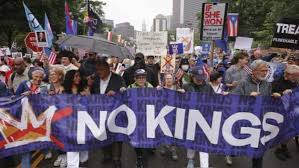
One of the more notable protests occurred on the streets of London, coinciding with public events surrounding royal celebrations. Thousands of citizens took to the streets, waving banners that read “No Kings, No Queens, No Royal Fees!” The demonstration not only involved seasoned protesters but also attracted younger generations, showcasing a unification of voices across age groups against aristocratic privileges.
Activism and Social Media Influence
The rise of the No Kings protest can largely be attributed to the influence of social media, where hashtags like #NoKings and #MonarchyIsDead gained momentum on platforms such as Twitter and Instagram. These campaigns have allowed activists to express their discontent and organize protests rapidly, creating a sense of community and urgency around the cause. Social media’s role in mobilising young activists has been pivotal in spreading awareness and generating conversations about political reform.
Conclusion
The No Kings protest reflects a broader global question regarding the role of tradition versus the need for democratic evolution. With increasing public support for the movement, it may reveal a significant shift in the collective consciousness surrounding governance and authority. As discussions around the legitimacy of monarchy continue, the implications of the No Kings protest could shape future policies and societal norms. Observers of political trends should closely monitor how this movement develops in the coming months, as it may serve as a precursor to substantial changes in governance in countries where monarchy has long been established.



