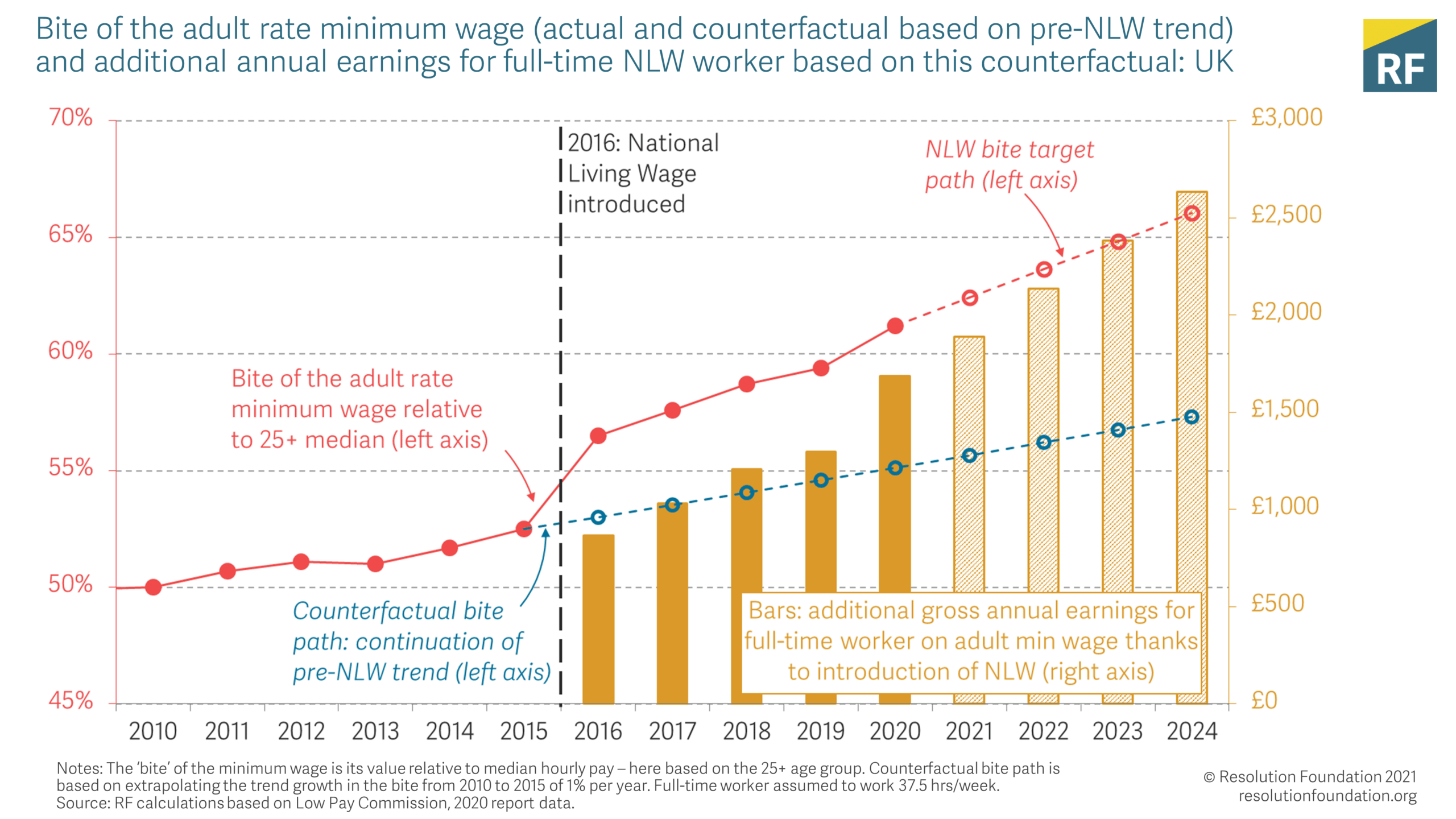
Introduction to National Living Wage Increase
The national living wage is a topic of significant debate and importance in the United Kingdom, reflecting the government’s commitment to ensuring fair compensation for workers. As the cost of living continues to rise due to various economic factors, the announcement of an increase to the national living wage is crucial for both workers and employers. This year’s increase is set to affect millions of workers across various sectors, highlighting its relevance in the current economic landscape.
Details of the Increase
As of April 2023, the UK government has officially raised the national living wage to £11 per hour for workers aged 23 and over. This marks a 9.7% increase from the previous rate of £10.18. For younger workers aged 21 to 22, the hourly rate will rise to £10.18, and for those aged 18 to 20, it will increase to £7.49. Those under 18 will see a rise to £5.28. This substantial increase is part of the government’s broader strategy to help workers keep pace with rising inflation rates and living costs.
Impact on Workers and Businesses
The increase in the national living wage is expected to benefit approximately 2 million workers, putting more money in their pockets to cope with escalating expenses like rent and food. However, it also presents challenges for employers, particularly small businesses that may struggle to absorb these increased labour costs. Many business owners have voiced concerns about potential job losses or reduced hours, as maintaining profitability amidst these rising wage demands becomes increasingly difficult.
Conclusion and Future Outlook
The 2023 national living wage increase is a significant step towards addressing wage stagnation and ensuring that workers earn a fair salary that reflects the current economic environment. While it offers much-needed support for employees, the impact on businesses cannot be ignored. As the economic situation evolves, stakeholders will need to navigate the balance between fair wages and business sustainability. Moving forward, ongoing assessments and adjustments to the national living wage may be required to keep pace with inflation, reflecting the changing economic landscape and worker needs in the United Kingdom.



