Introduction
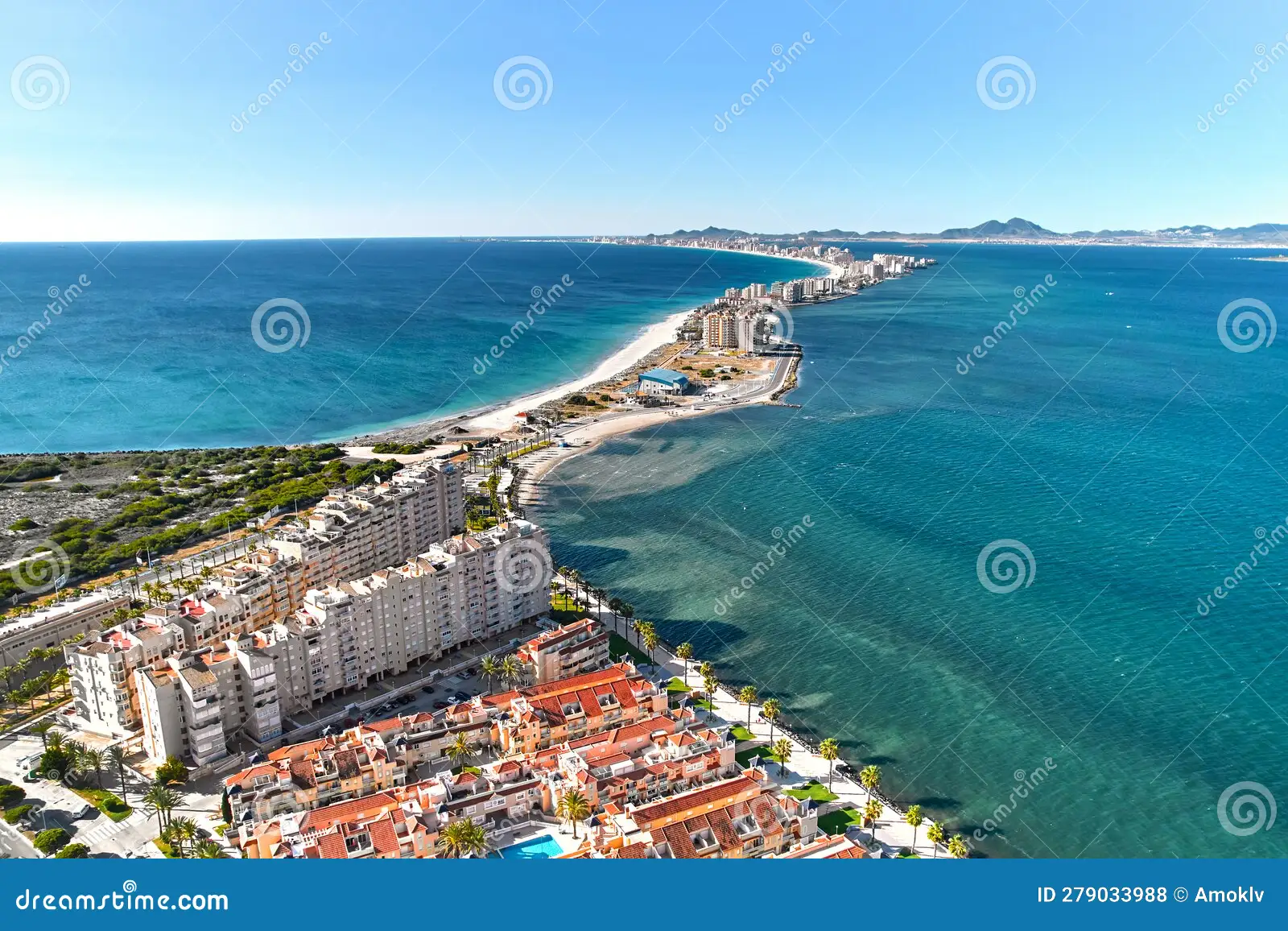
The Mar Menor, a unique saltwater lagoon located in the Region of Murcia, Spain, has been gaining attention due to its ecological significance and environmental challenges. Spanning approximately 135 square kilometres, the Mar Menor is Europe’s largest lagoon and is characterised by its shallow waters and an abundance of marine life. The lagoon provides a crucial habitat for various species and supports local livelihoods reliant on tourism and fishing. Understanding the issues facing the Mar Menor is essential for preserving its future.
Current Challenges
In recent years, the Mar Menor has faced numerous environmental threats, including pollution, over-exploitation of resources, and climate change. Agricultural runoff containing nitrates and phosphates poses a significant risk, contributing to harmful algal blooms that deplete oxygen levels and threaten marine biodiversity. The situation has become critical, with stakeholders raising alarms over the declining health of the ecosystem.
In August 2023, the European Court of Justice ruled in favour of a series of protective measures aimed at restoring the Mar Menor. This included a call for stricter regulations on agricultural practices surrounding the lagoon, and oversight to ensure the protection of its unique ecology. Local authorities have since initiated several projects to address these issues, including the installation of treatment facilities for wastewater and the promotion of sustainable farming practices.
Conservation Efforts
Several non-governmental organisations and local communities have rallied to protect the Mar Menor. Initiatives have focused on raising public awareness, advocating for policy changes, and engaging in conservation activities. For example, beach clean-up campaigns and educational workshops are aimed at fostering a sense of responsibility among residents and tourists alike.
Additionally, scientists and researchers are working closely with authorities to monitor water quality and biodiversity within the lagoon. Their findings are fundamental to shaping effective restoration strategies and ensuring long-term sustainability for the Mar Menor.
Conclusion
The Mar Menor’s situation is a stark reminder of the delicate balance between human activity and nature. As conservation efforts intensify, the significance of community involvement and legislative support will be paramount in ensuring the lagoon’s resilience and health. Looking ahead, a collaborative approach—combining scientific research, active participation from local stakeholders, and robust regulatory frameworks—will be crucial for safeguarding this vital ecosystem and securing its future for generations to come.