Introduction
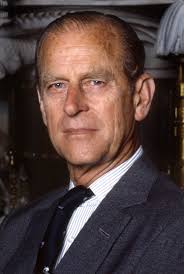
The Duke of Edinburgh, Prince Philip, played a significant role in the British monarchy and public life until his passing in April 2021. His dedication to service, deeply rooted in numerous charitable endeavours and initiatives, continues to resonate across the UK and beyond. As the country reflects on his legacy, it becomes increasingly clear how his influence shaped contemporary society and royal engagements.
Significant Contributions and Initiatives
Prince Philip was appointed Duke of Edinburgh at the time of his marriage to Queen Elizabeth II in 1947. One of his most prominent contributions is the Duke of Edinburgh’s Award, established in 1956, which encourages young people to engage in community service, develop skills, and experience adventure. This programme has since inspired millions across the globe, promoting self-improvement and resilience.
The Duke’s commitment to environmental and technological advocacy also stands out. He was instrumental in founding several organisations, including the World Wildlife Fund (WWF) and the International Energy Conservation Coalition, reflecting his dedication to ecological sustainability and conservation efforts.
His Role as a Royal Consort
As the consort to the Queen, Prince Philip often took on a supporting role, yet he was pivotal in modernising the British monarchy. His straightforwardness and dedication to duty sometimes put him in the spotlight for his frank remarks during public engagements, reflecting his no-nonsense approach. From official state visits to family gatherings, he accompanied the Queen on numerous occasions, reinforcing the image of a supportive partner.
Legacy and Impact
Following his death, tributes poured in from around the world, highlighting the Duke’s impact on various spheres, including education, youth empowerment, and international outreach. More than just a royal figure, he represented a bridging of tradition and modernity, adapting the royal family’s influence to contemporary society.
In light of his contributions, many are exploring how the principles he championed through the Duke of Edinburgh’s Award and his environmental initiatives will carry on, inspiring future generations to engage in service and responsibility.
Conclusion
The Duke of Edinburgh’s legacy is one of service, inspiration, and resilience. As society reflects on his contributions, it is vital to carry forward his values and initiatives, ensuring that the principles he stood for continue to influence future generations. The Duke’s commitment to the betterment of society stands as a testament to his enduring impact on both the monarchy and public life.